
Thermal Imaging Inspection in Baltimore
Licensed & insured insulation + HVAC contractors
Serving Baltimore City & Baltimore County since 2006
Same-day energy audits — we diagnose first
800+ energy-efficient homes in Baltimore
5.0
Based on Google, Facebook & BBB Reviews

Get Your Estimate
Enter your information below





Reviews
Trusted by Baltimore Homeowners
Posted onTrustindex verifies that the original source of the review is Google. Bob came to inspect the house, carefully evaluated what had to be done and explained us in detail the work that he would do. He then send us a very reasonable estimate and came to do the work soon after. He was very kind throughout the process and even offered to work around the nap time of our daughter not to make too much noise. He completed the work in half a day with his helper that also left the area clean and tidy. We would recommend Bob for great insulation work at a good price!Posted onTrustindex verifies that the original source of the review is Google. They did a good job in insulation and good customer service.Posted onTrustindex verifies that the original source of the review is Google. I have used Bob and his team on two separate instances for two different properties, and both times they were able to quickly identify my issues and help remediate them! Most recently, my fiancé and I moved into a 1900s renovated home. Upon moving in, we quickly noticed that we were FREEZING all the time, even when cranking the heat. Bob and his team came and performed a full audit of the home and discovered there was absolutely no insulation on our third floor. They also gave us some other very helpful tips on how to save energy in our home. I would recommend anyone who owns property to have Bob and his team come at the very least do an audit at your property, as we ended up saving tons of money on our energy bills after using his services. It is definitely worth it, especially if you have an older home or have been noticing high bills.Posted onTrustindex verifies that the original source of the review is Google. Got my attic insulated last February. H.E.L.P. did an excellent job. I could immediately see the difference in my energy bill, and the comfort in my home. I highly recommend them.Posted onTrustindex verifies that the original source of the review is Google. They insulated my (absolutely no insulation upon move-in) flat roof at a reasonable price! Bob and Mike came to assess/quote and Mike was super friendly and knowledgeable at installation!Posted onTrustindex verifies that the original source of the review is Google. HELP was a huge help for us. We are new homeowners and we were shocked at our high gas bills during our first winter in the house. After researching online, we signed up for the BGE home energy audit (costs $100 and includes a lot of free stuff as part of the audit. There is zero reason not to do it if you are at all concerned about the weatherproofing in your home). Bob from HELP came out to perform our audit, which revealed the existence of several massive connections between the attic and our basement, which essentially caused our basement to constantly suck cold air in from the outside, forcing our furnace to work overtime. Bob walked us through his proposal and quote as well as the BGE rebate process, and was able to secure a really high rebate for us. Mike and Joe came out to do the actual insulating and sealing work, and they were polite, diligent, and thorough throughout. I can’t say enough positive things about the HELP team and I highly highly recommend both HELP and the BGE Energy Audit program.Posted onTrustindex verifies that the original source of the review is Google. After getting a horrific energy bill on a recently renovated house in Arbutus, I called HELP and Bob came by and completely insulated the home, made things more energy efficient, and educated us along the way! Just received our energy bill and we think Bob is a rock star! Thank you!Posted onTrustindex verifies that the original source of the review is Google. I had my house attic and garage insulated along with some other energy efficiency updates and I can't say enough good things about H.E.L.P. After enduring adverse temperature extremes and paying out very high electric and gas bills for two years I am so glad to have made the investment to get the issues fixed. Thanks again Bob!
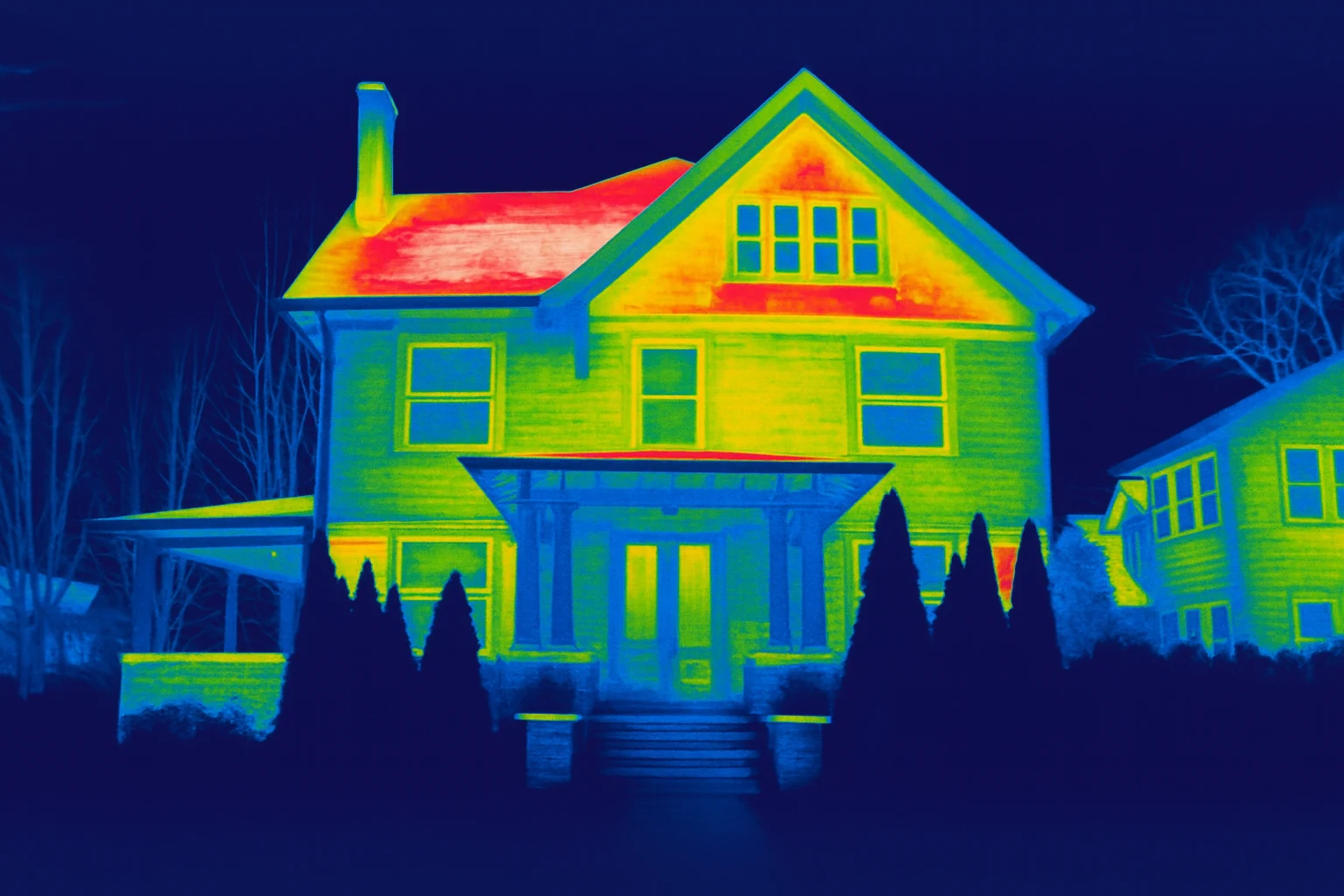
Thermal Imaging Reveals Where Baltimore Homes Lose Heat Fast
Your gas bill climbs every winter but you cannot find the source of the problem. Thermal imaging inspection solves this by using infrared cameras to pinpoint exactly where insulation is thin or missing. You see the cold spots in real time so you can fix the right areas first instead of guessing.
Baltimore rowhomes built with brick often have uninsulated party walls and hidden attic bypasses. A standard visual inspection misses these problems because they hide behind plaster and drywall. Our infrared scan shows temperature differences through walls and ceilings so you spend your money where it matters most.
Cold bedrooms in Canton or Hampden usually mean heat escapes through exterior walls or attic floors. Thermal imaging maps these leaks in minutes and gives you proof of where energy waste happens in your home.
Get Your Estimate
Enter your information below
process
What a Thermal Scan Shows About Your Insulation and Air Sealing
Thermal imaging produces color-coded pictures that show temperature differences across your walls, ceilings, and floors. Blue and purple areas mark cold spots where insulation is missing or air leaks through gaps. Red and orange zones show where heat stays trapped inside your home.
You see proof of energy waste in real time instead of relying on guesswork. This helps you decide whether to add blown-in insulation to your attic or seal ductwork in your basement before winter arrives. The images also reveal problems behind finished walls where you cannot inspect by eye.
Older Baltimore homes built before 1950 rarely have wall insulation between studs. Plaster cracks over decades and creates pathways for cold air to enter living spaces. A thermal scan catches these hidden leaks so you know which repairs deliver the biggest savings on your heating bills. Modern homes should meet Maryland’s energy code requirements for insulation and air sealing but thermal imaging verifies actual performance.
How to Prepare Your Baltimore Home for a Thermal Inspection
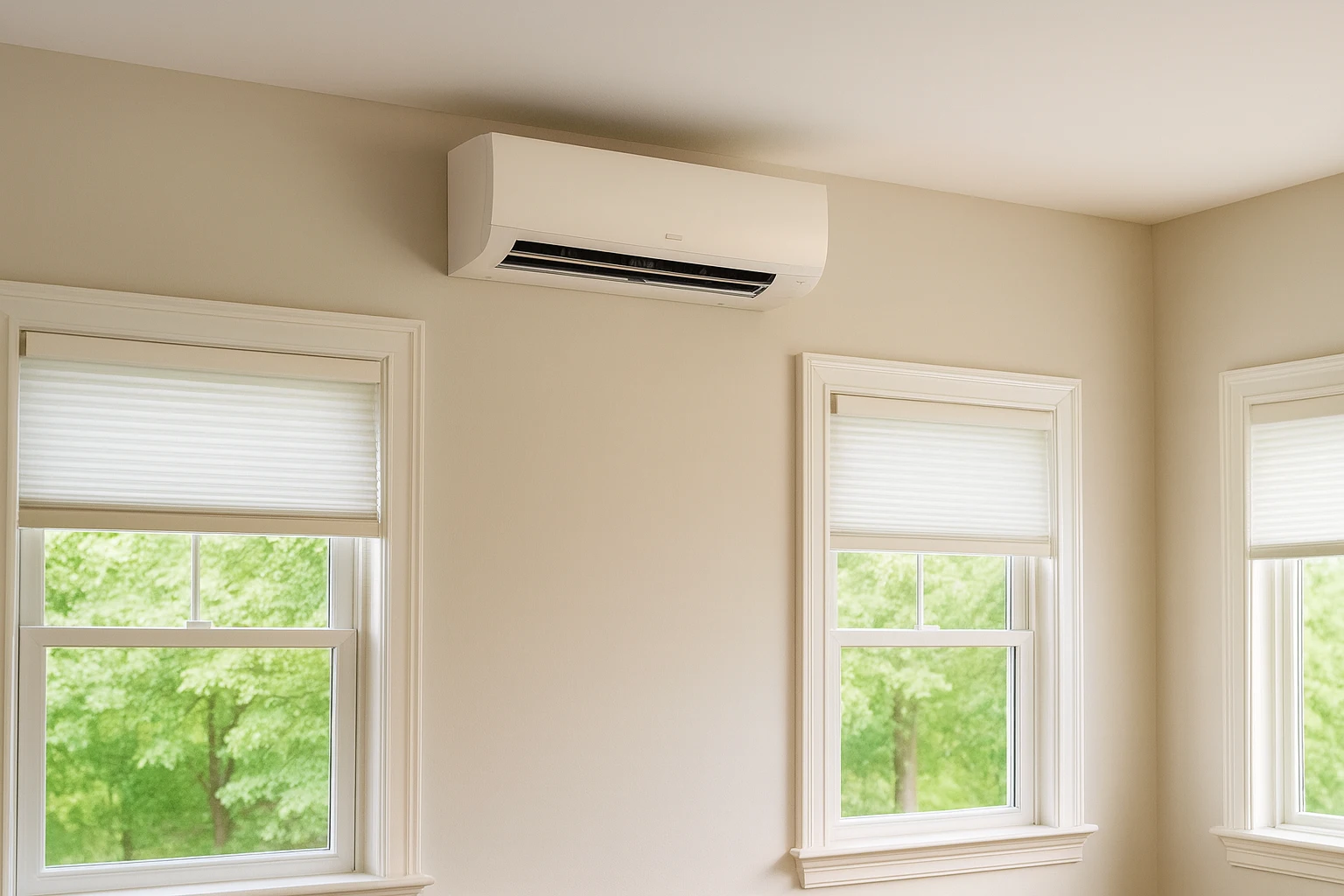
Preparing your home for a thermal scan takes only a few simple steps. Close all windows and exterior doors at least four hours before the appointment. Turn your heating system to normal settings so the house reaches its usual indoor temperature.
Clear access to exterior walls and attic hatches so the contractor can scan thoroughly. You do not need to move furniture away from walls but removing boxes or stored items from attic floors helps capture accurate readings.
Schedule your inspection when outdoor temperatures drop at least 20 degrees below indoor settings. In Maryland this temperature gap happens reliably from November through March. Federal Hill and Mount Vernon homeowners should plan scans during cold snaps for the clearest heat-loss results.
What Happens During a Professional Thermal Imaging Visit
Our insulation contractor arrives with an infrared camera and walks through your home room by room. The visit takes 60 to 90 minutes depending on your home’s size and layout. We scan exterior walls, attic spaces, basements, and crawl spaces to map cold spots and air leaks.
You receive thermal images and a written report the same day. The report explains what each color means and identifies which areas need insulation upgrades or air sealing work. We prioritize repairs based on where you lose the most heat so you can tackle the worst problems first.
Baltimore contractors often focus on basements and crawl spaces where humidity and mold show up during summer months. Thermal imaging catches these moisture problems early before they damage floor joists or cause health issues in your home.
insulation
How Infrared Results Guide Insulation Upgrades in Rowhomes
Thermal images show which rooms in your home need the most work. If your attic scans cold across the entire floor you need more blown-in insulation. If only one exterior wall shows blue spots you may have a small air leak that requires sealing instead of a full insulation project.
This targeted approach saves you money because you spend your budget where it counts most. Fells Point and Charles Village rowhomes often lose heat through front and back walls while shared side walls stay warmer. Our scan identifies these patterns so you avoid paying for insulation work you do not need.
The infrared report also helps you qualify for utility rebates through programs like BGE Empower Maryland. Documented energy loss proves your home needs upgrades and speeds up the approval process for incentive payments.
ATTIC TYPES
Seasonal Timing for Thermal Scans in Maryland Climates
Winter offers the best conditions for finding heat loss because cold outdoor air creates sharp temperature contrasts. Schedule your scan between November and February when Baltimore temperatures drop below 40 degrees regularly. You get the clearest images of where warm air escapes through walls and attics.
Summer scans serve a different purpose by revealing cooling leaks and moisture problems. Hot humid air seeping into your home shows up as warm spots on basement walls and crawl space ceilings. These scans help you find hidden water damage before it causes mold or rot.
Plan your inspection based on which problem you want to solve. If high heating bills concern you, most book your scan in winter. If you notice musty smells or damp basements, schedule a summer appointment to catch moisture intrusion early. Many homeowners combine thermal imaging with a comprehensive home energy audit to get a complete picture of their home’s efficiency.
Get Your Estimate
Enter your information below
- Done Right
- Done Legit
- Maximum Savings
- Done Right
- Done Legit
- Maximum Savings
faq
FAQs
About Insulation & HVAC Services in
Baltimore
1.How long does a thermal imaging inspection take in a Baltimore rowhome?
2.Can thermal imaging find air leaks around old windows?
3. Do I need to move furniture before the inspection?
4. Will a thermal scan show if my attic insulation is too thin?
5. When is the best time of year to schedule a thermal inspection in Baltimore?
6. Can thermal imaging detect moisture problems in crawl spaces?
service areas
Your Local Insulation & HVAC Experts in Baltimore
Serving homeowners across Baltimore, BGE, PEPCO & DELMARVA territories since 2006 with honest energy solutions.
Ready to Lower Your Energy Bills?
- Done Right
- Done Legit
- Maximum Savings
- Done Right
- Done Legit
- Maximum Savings