
Retrofit Insulation in Baltimore
Licensed & insured insulation + HVAC contractors
Serving Baltimore City & Baltimore County since 2006
Same-day energy audits — we diagnose first
800+ energy-efficient homes in Baltimore
5.0
Based on Google, Facebook & BBB Reviews
Get Your Estimate
Enter your information below





Reviews
Trusted by Baltimore Homeowners
Posted onTrustindex verifies that the original source of the review is Google. Bob came to inspect the house, carefully evaluated what had to be done and explained us in detail the work that he would do. He then send us a very reasonable estimate and came to do the work soon after. He was very kind throughout the process and even offered to work around the nap time of our daughter not to make too much noise. He completed the work in half a day with his helper that also left the area clean and tidy. We would recommend Bob for great insulation work at a good price!Posted onTrustindex verifies that the original source of the review is Google. They did a good job in insulation and good customer service.Posted onTrustindex verifies that the original source of the review is Google. I have used Bob and his team on two separate instances for two different properties, and both times they were able to quickly identify my issues and help remediate them! Most recently, my fiancé and I moved into a 1900s renovated home. Upon moving in, we quickly noticed that we were FREEZING all the time, even when cranking the heat. Bob and his team came and performed a full audit of the home and discovered there was absolutely no insulation on our third floor. They also gave us some other very helpful tips on how to save energy in our home. I would recommend anyone who owns property to have Bob and his team come at the very least do an audit at your property, as we ended up saving tons of money on our energy bills after using his services. It is definitely worth it, especially if you have an older home or have been noticing high bills.Posted onTrustindex verifies that the original source of the review is Google. Got my attic insulated last February. H.E.L.P. did an excellent job. I could immediately see the difference in my energy bill, and the comfort in my home. I highly recommend them.Posted onTrustindex verifies that the original source of the review is Google. They insulated my (absolutely no insulation upon move-in) flat roof at a reasonable price! Bob and Mike came to assess/quote and Mike was super friendly and knowledgeable at installation!Posted onTrustindex verifies that the original source of the review is Google. HELP was a huge help for us. We are new homeowners and we were shocked at our high gas bills during our first winter in the house. After researching online, we signed up for the BGE home energy audit (costs $100 and includes a lot of free stuff as part of the audit. There is zero reason not to do it if you are at all concerned about the weatherproofing in your home). Bob from HELP came out to perform our audit, which revealed the existence of several massive connections between the attic and our basement, which essentially caused our basement to constantly suck cold air in from the outside, forcing our furnace to work overtime. Bob walked us through his proposal and quote as well as the BGE rebate process, and was able to secure a really high rebate for us. Mike and Joe came out to do the actual insulating and sealing work, and they were polite, diligent, and thorough throughout. I can’t say enough positive things about the HELP team and I highly highly recommend both HELP and the BGE Energy Audit program.Posted onTrustindex verifies that the original source of the review is Google. After getting a horrific energy bill on a recently renovated house in Arbutus, I called HELP and Bob came by and completely insulated the home, made things more energy efficient, and educated us along the way! Just received our energy bill and we think Bob is a rock star! Thank you!Posted onTrustindex verifies that the original source of the review is Google. I had my house attic and garage insulated along with some other energy efficiency updates and I can't say enough good things about H.E.L.P. After enduring adverse temperature extremes and paying out very high electric and gas bills for two years I am so glad to have made the investment to get the issues fixed. Thanks again Bob!
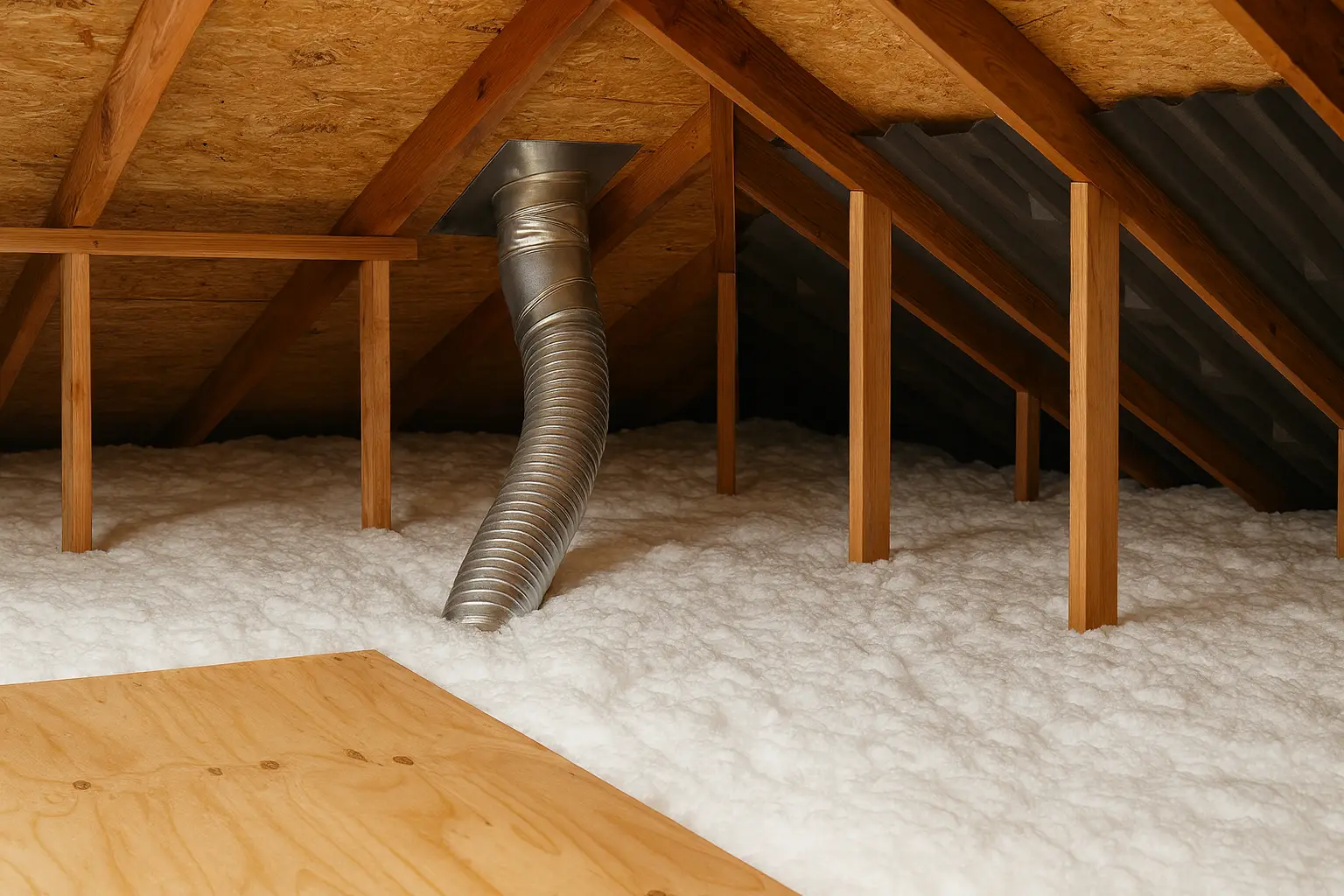
In Baltimore, retrofit insulation fills gaps in older homes without demolition or major mess. This page explains how retrofit works, when it fits rowhouses and Victorians, and what to expect during install. Most jobs take one to three days depending on wall access and attic size. As a licensed insulation contractor in Baltimore, we help homeowners cut heating bills and stop drafts year-round.
Retrofit Insulation Fills Walls Through Small Holes Without Removing Drywall
If you live in Canton, Hampden, or Federal Hill and feel cold drafts through your walls, retrofit insulation solves the problem without gutting your home. We drill two-inch holes every 16 inches along each wall cavity. Then we blow dense-pack cellulose or foam into the empty space between studs. After filling, we patch the holes and paint them to match your existing finish.
The process keeps your furniture in place and your daily routine normal. Most wall insulation jobs take one to three days depending on how many rooms need treatment. You avoid the cost and mess of removing drywall, repairing plaster, and repainting entire rooms.
Baltimore rowhouses share side walls with neighbors, so those party walls usually stay untouched. We focus on your front and back exterior walls where heat escapes and cold air leaks in. Air sealing happens at the same time to stop drafts around windows, baseboards, and electrical outlets. The result is a warmer home in winter and lower AC bills in summer.
Get Your Estimate
Enter your information below
process
Spray Foam and Dense-Pack Cellulose Work Best for Baltimore Rowhouses
Baltimore rowhouses and older twins have brick exteriors with wall cavities that vary in depth and often hide old wiring or crumbling plaster. Dense-pack cellulose adapts to these irregular spaces better than rigid foam boards. We blow the material at high pressure so it fills around obstacles and resists settling over time. The cellulose also allows moisture to pass through slowly, which prevents trapped condensation inside your walls.
Closed-cell spray foam works best in specific problem areas like basement rim joists and crawlspace walls. This foam expands to seal air leaks and blocks moisture from entering your home. Baltimore summers bring high humidity that can cause mold in basements, especially in older foundations. Closed-cell foam stops that moisture before it becomes a problem, unlike fiberglass batts that absorb water and lose R-value.
We choose the right material based on where you need insulation and what your walls can handle. Wall cavities get dense-pack cellulose for cost and breathability. Basements and crawlspaces get closed-cell spray foam for air and moisture control. Both materials cut your heating and cooling costs year-round while making your home more comfortable.
Attic Retrofits Cut Winter Heating Bills and Summer AC Costs
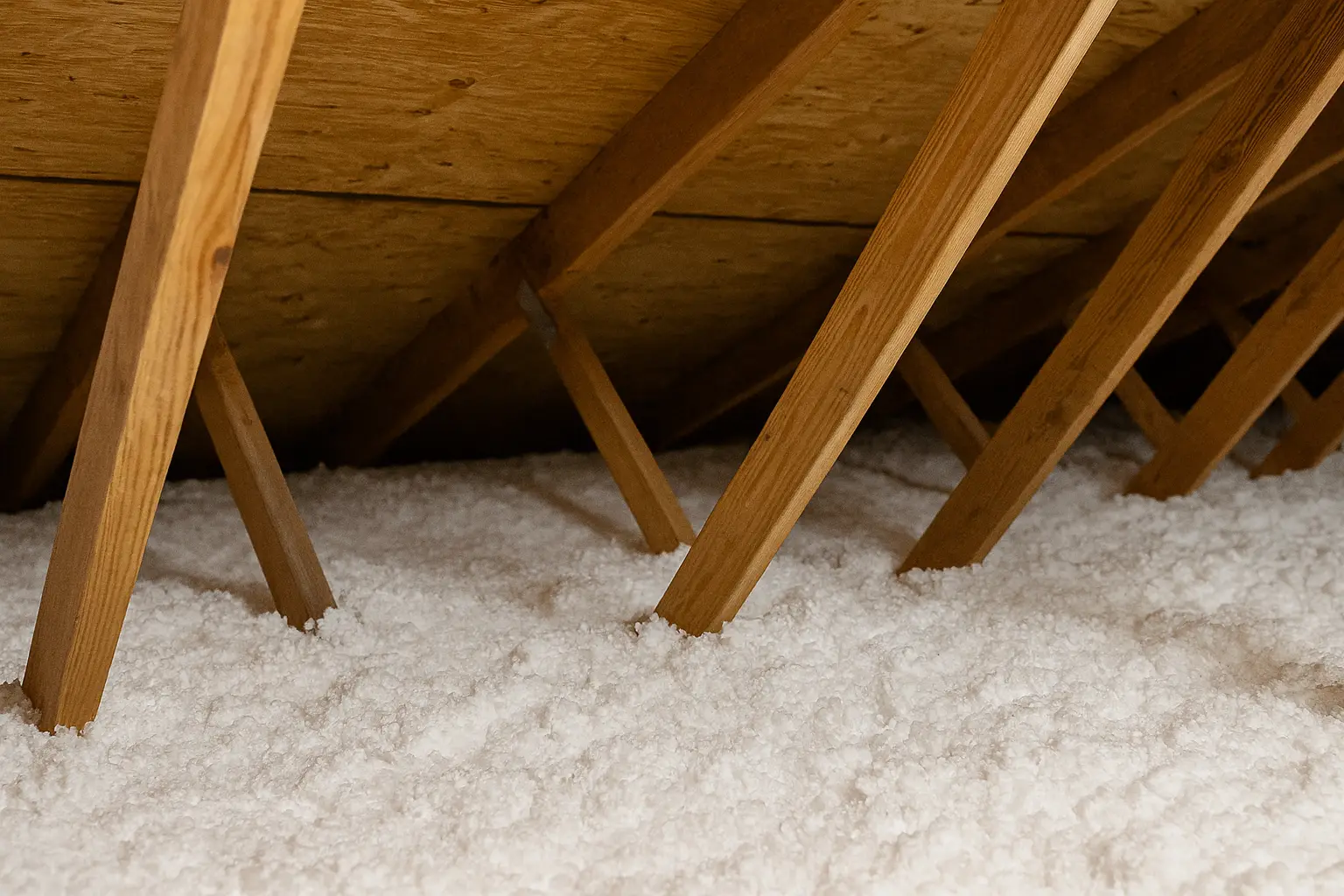
Homes in Guilford and Roland Park often have attics where insulation settled or thinned out over decades. Adding 10 to 14 inches of blown fiberglass or cellulose on top of what you already have restores the thermal barrier your home needs. Most attic jobs finish in four to six hours depending on square footage and access points.
We blow the new insulation evenly across your attic floor to reach R-38 or R-49 ratings recommended for Maryland. The added thickness stops heat from escaping through your roof in winter and blocks summer heat from radiating down into living spaces. You feel the difference immediately with more stable indoor temperatures and lower energy bills each month.
Maryland offers tax credits and utility rebates for attic insulation upgrades that meet Energy Star ratings. Check BGE programs before starting your project to see what incentives apply to your home. You can also explore Maryland’s Home Energy Rebate Programs for additional federal incentives through the Inflation Reduction Act. We handle the paperwork and submittals so you receive maximum rebates without delays or compliance issues.
insulation
Vapor Barriers Depend on Wall Type and Insulation Material
If you plan to retrofit interior walls or finish your basement, you may wonder whether vapor barriers belong in the project. Dense-pack cellulose and open-cell foam let water vapor pass through at a controlled rate, so moisture does not get trapped inside wall cavities. Closed-cell foam acts as its own vapor barrier because it blocks air and moisture completely, which means you skip the plastic sheet step.
Baltimore sits in Climate Zone 4A where building code requires vapor retarders on the warm side of insulation in heated spaces. Not every retrofit scenario demands this layer, especially when using breathable materials like cellulose. We assess your wall assembly and recommend the right approach based on what currently exists behind your drywall or plaster.
Adding the wrong barrier can trap moisture and cause mold or rot inside your walls. We follow Maryland code and manufacturer guidelines to keep your home safe and dry. If you finish a basement or insulate exterior walls, we explain exactly what your project needs and why.
ATTIC TYPES
Old Insulation Can Stay If Dry and Pest-Free
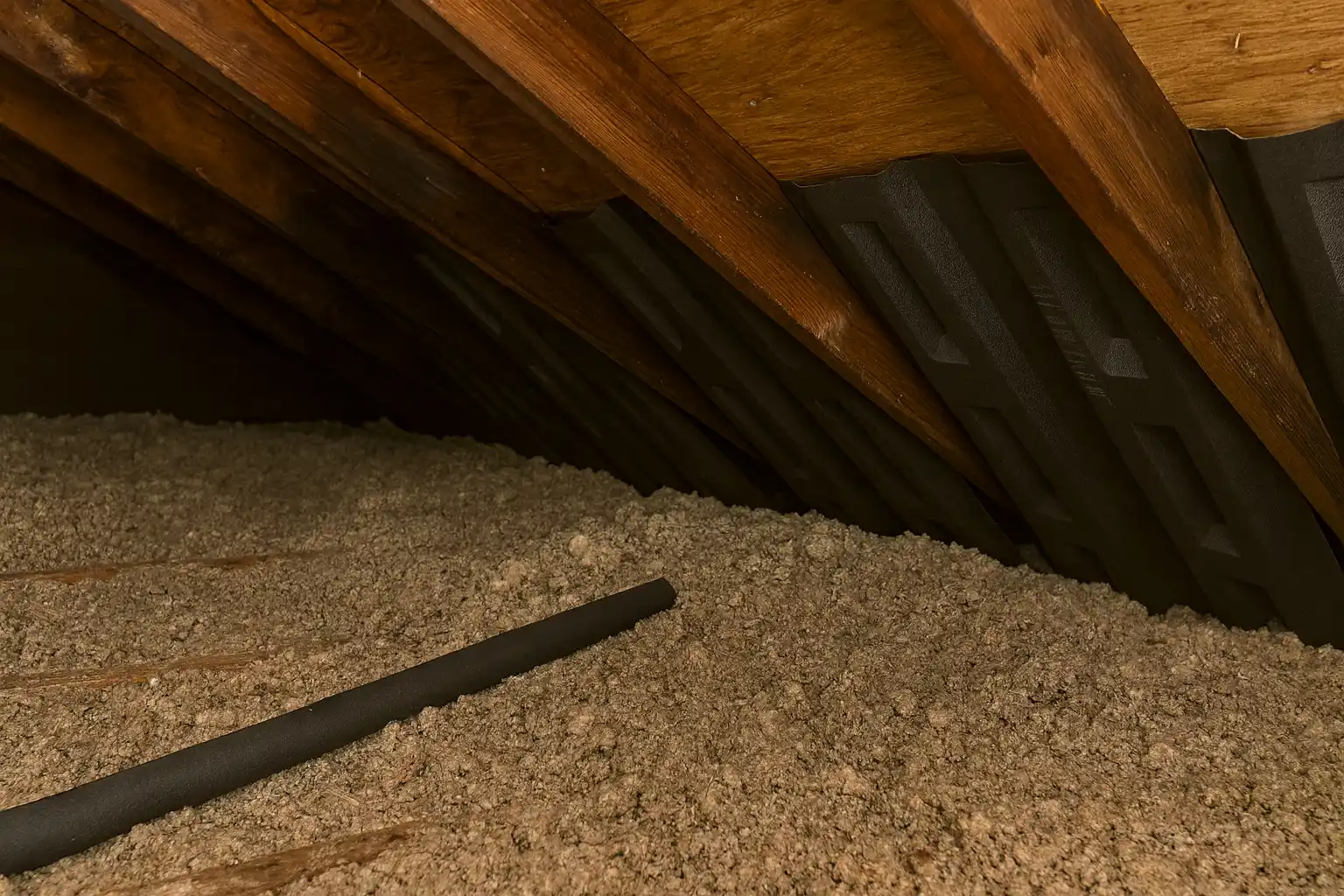
When you add attic insulation or top off existing walls, the material already in place does not always need removal. We inspect for water stains, mold growth, and rodent droppings before deciding whether to keep or remove what you have. Clean and dry insulation gets topped off with new material to reach current efficiency standards. Contaminated insulation gets removed first to protect your indoor air quality.
Older Baltimore homes in neighborhoods like Mount Vernon sometimes contain vermiculite insulation that looks like gray pebbles. This material may contain asbestos, so you should test it before any work begins. We stop immediately if we find vermiculite and recommend certified asbestos testing. Disturbing this material without proper handling creates serious health risks.
Fiberglass and rockwool insulation that lost R-value due to compression or age can stay in place as long as it remains dry and intact. We add new blown insulation on top to restore thermal performance without the cost of full removal. This approach saves you money and completes the job faster while still delivering the comfort and energy savings you expect. Learn more about our insulation removal services in Baltimore.
Get Your Estimate
Enter your information below
- Done Right
- Done Legit
- Maximum Savings
- Done Right
- Done Legit
- Maximum Savings
faq
FAQs
About Insulation & HVAC Services in
Baltimore
1. How long does a retrofit insulation job take in Baltimore?
2. Will retrofit insulation damage my plaster walls?
3. Do I need a permit to add insulation in Baltimore?
4. Can I insulate shared walls in a Baltimore rowhouse?
5. What rebates are available for insulation upgrades in Maryland?
6. Is spray foam or cellulose better for older Baltimore homes?
service areas
Your Local Insulation & HVAC Experts in Baltimore
Serving homeowners across Baltimore, BGE, PEPCO & DELMARVA territories since 2006 with honest energy solutions.
Ready to Lower Your Energy Bills?
- Done Right
- Done Legit
- Maximum Savings
- Done Right
- Done Legit
- Maximum Savings