
Insulation Contractor Serving Charles Village Rowhomes and Multi-Unit Buildings
Licensed & insured insulation + HVAC contractors
Serving Baltimore City & Baltimore County since 2006
Same-day energy audits — we diagnose first
800+ energy-efficient homes in Baltimore
5.0
Based on Google, Facebook & BBB Reviews

Get Your Estimate
Enter your information below





Reviews
Trusted by Baltimore Homeowners
Posted onTrustindex verifies that the original source of the review is Google. Bob came to inspect the house, carefully evaluated what had to be done and explained us in detail the work that he would do. He then send us a very reasonable estimate and came to do the work soon after. He was very kind throughout the process and even offered to work around the nap time of our daughter not to make too much noise. He completed the work in half a day with his helper that also left the area clean and tidy. We would recommend Bob for great insulation work at a good price!Posted onTrustindex verifies that the original source of the review is Google. They did a good job in insulation and good customer service.Posted onTrustindex verifies that the original source of the review is Google. I have used Bob and his team on two separate instances for two different properties, and both times they were able to quickly identify my issues and help remediate them! Most recently, my fiancé and I moved into a 1900s renovated home. Upon moving in, we quickly noticed that we were FREEZING all the time, even when cranking the heat. Bob and his team came and performed a full audit of the home and discovered there was absolutely no insulation on our third floor. They also gave us some other very helpful tips on how to save energy in our home. I would recommend anyone who owns property to have Bob and his team come at the very least do an audit at your property, as we ended up saving tons of money on our energy bills after using his services. It is definitely worth it, especially if you have an older home or have been noticing high bills.Posted onTrustindex verifies that the original source of the review is Google. Got my attic insulated last February. H.E.L.P. did an excellent job. I could immediately see the difference in my energy bill, and the comfort in my home. I highly recommend them.Posted onTrustindex verifies that the original source of the review is Google. They insulated my (absolutely no insulation upon move-in) flat roof at a reasonable price! Bob and Mike came to assess/quote and Mike was super friendly and knowledgeable at installation!Posted onTrustindex verifies that the original source of the review is Google. HELP was a huge help for us. We are new homeowners and we were shocked at our high gas bills during our first winter in the house. After researching online, we signed up for the BGE home energy audit (costs $100 and includes a lot of free stuff as part of the audit. There is zero reason not to do it if you are at all concerned about the weatherproofing in your home). Bob from HELP came out to perform our audit, which revealed the existence of several massive connections between the attic and our basement, which essentially caused our basement to constantly suck cold air in from the outside, forcing our furnace to work overtime. Bob walked us through his proposal and quote as well as the BGE rebate process, and was able to secure a really high rebate for us. Mike and Joe came out to do the actual insulating and sealing work, and they were polite, diligent, and thorough throughout. I can’t say enough positive things about the HELP team and I highly highly recommend both HELP and the BGE Energy Audit program.Posted onTrustindex verifies that the original source of the review is Google. After getting a horrific energy bill on a recently renovated house in Arbutus, I called HELP and Bob came by and completely insulated the home, made things more energy efficient, and educated us along the way! Just received our energy bill and we think Bob is a rock star! Thank you!Posted onTrustindex verifies that the original source of the review is Google. I had my house attic and garage insulated along with some other energy efficiency updates and I can't say enough good things about H.E.L.P. After enduring adverse temperature extremes and paying out very high electric and gas bills for two years I am so glad to have made the investment to get the issues fixed. Thanks again Bob!
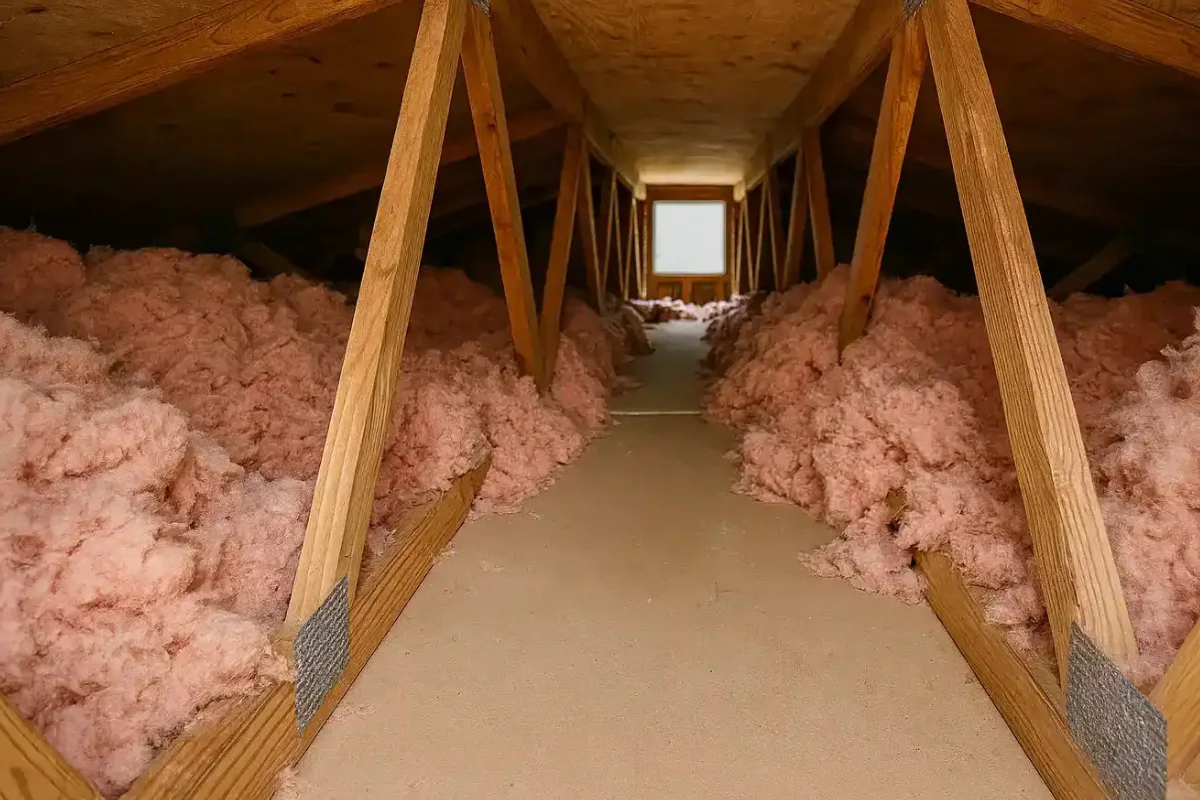
Charles Village sits north of downtown Baltimore, packed with 19th-century rowhomes, Hopkins student rentals, and converted multi-family buildings. We handle attic, wall, and basement insulation work tailored to the narrow-lot brick construction common along St. Paul Street and Calvert Street. Charles Village properties share party walls, steam radiators, and uninsulated attics that leak heat year-round. Fixes need someone who knows the block-by-block parking rules and alley access points throughout the neighborhood.
An insulation contractor Charles Village homeowners trust understands permit pulls through Baltimore City Housing and the tight crawl spaces in these 15-foot-wide rowhomes. We work with owner-occupants, student-housing landlords, and property managers who need reliable service. Check our calendar for same-week attic assessments in the 21218 zip.
Attic Insulation Keeps Charles Village Rowhomes Livable Year-Round
You own or manage 2-3 story rowhomes with unfinished attics that turn bedrooms into ovens each summer. Blown cellulose or batts bring R-38+ levels, cutting third-floor heat gain in summer and stopping ice dams over the gutter line. The added insulation also keeps heating bills manageable when winter temperatures drop below freezing for weeks at a time.
Most Charles Village attics have scuttle access only – no pull-down stairs – so equipment goes up through bedroom closets or shared hallways. We measure openings before the appointment to confirm gear will fit. Our crews know how to navigate narrow staircases without damaging plaster walls or woodwork.
We coordinate material delivery around street-sweep days (Monday/Thursday east side) to avoid parking tickets. Permit parking on North Calvert requires a two-hour window, so timing matters. If your block has alley access, we bring materials through the rear to skip street parking entirely.
Get Your Estimate
Enter your information below
process
Wall Cavity Work Fits the Narrow Brick Construction Near Hopkins Campus
You live in the Abell and Old Goucher sections and feel cold spots along exterior walls even when the radiator runs hot. Dense-pack cellulose fills the 3-4 inch cavity behind lath-and-plaster without tearing down original trim or damaging 100-year-old horsehair plaster. The process takes one day per wall, and you keep your historic moldings intact.
Homes between 29th and 33rd Streets often share one party wall and have two exposed brick faces that lose heat. We insulate the cold sides first to give you immediate comfort improvements. If both exterior walls need work, we schedule them a week apart to minimize disruption.
Exterior injection through mortar joints avoids interior dust and keeps furniture in place during the job. Brick repointing happens same-day so you see no holes by evening. Energy efficiency improvements for historic Baltimore homes can be done without affecting the appearance of your rowhome. Our crews match mortar color to your existing brickwork for a seamless finish.
Basement and Rim Joist Sealing Stops Drafts in Garden-Level Units
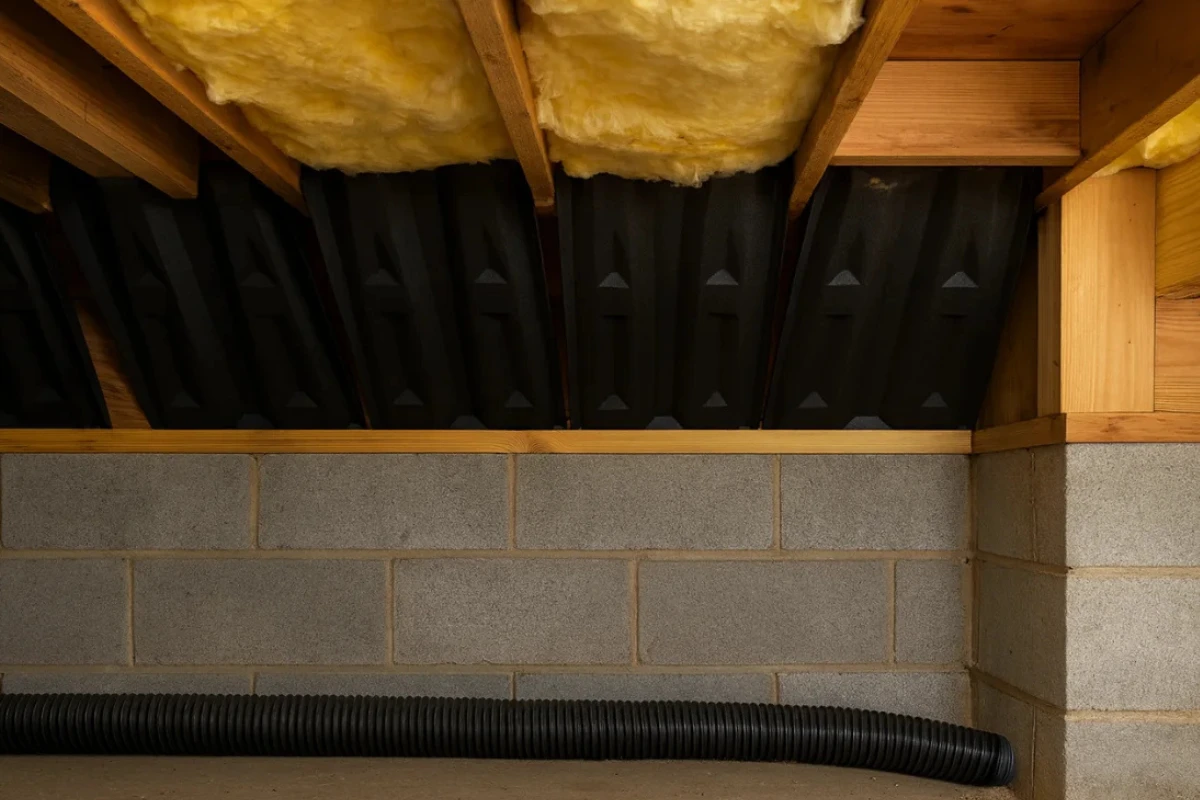
You rent an English basement or convert cellar space into legal rental units that stay cold no matter how high tenants crank the heat. Spray foam along rim joists and sill plates cuts the floor-draft that makes first-floor apartments cold even when the boiler runs. This work also reduces the risk of frozen pipes during January cold snaps.
Many Charles Village basements have 6.5-foot ceilings and old coal chutes that create air leaks. Foam work happens around existing mechanicals and laundry hookups without relocating equipment. We protect water heaters, electrical panels, and furnaces with drop cloths during application.
Garden-level conversions need egress windows per Baltimore City code to count as legal bedrooms. We leave window wells clear and never block fire exits. If you plan to rent the space, we coordinate with your contractor to complete insulation before final inspections.
Crawl Space Access Works Around Alley Parking and Shared-Wall Layouts
You own end-of-group rowhomes or properties with rear yards facing the midblock alley where moisture problems show up first. Encapsulation and foam board stop ground moisture from wicking into floor joists and causing the musty smell common in brick basements. Vapor barriers also prevent mold growth on wooden sills and reduce pest entry points.
Alley access from Guilford Avenue or Barclay Street means we skip the front stoop and avoid carrying equipment through your living room. Equipment rolls in from the back gate with no disruption to tenants or neighbors. We coordinate delivery times to avoid trash pickup days when alleys get blocked.
Shared crawl spaces (two rowhomes, one foundation) require neighbor notification before we start work. We handle the courtesy knock and explain the work schedule. If both homeowners want the service, we offer a discount for back-to-back appointments.
insulation
Reaching Our Team from Charles Village Takes Under 15 Minutes
If you’re coming from Charles Village, we’re just a short drive south. Most people hop onto Greenmount Avenue or cut over toward I-83 depending on traffic. Once you head out of the neighborhood, it’s a straight shot to our shop, easy to spot and simple to access with plenty of parking nearby. Stop by anytime or click Get Directions to find the quickest route.
We serve customers throughout the 21218 zip, from the Baltimore Museum of Art south to Penn Station. If you live near the Wyman Park Dell or along the Johns Hopkins campus edge, the trip to our location for material pickup or in-person consult is worth it. We keep sample materials on hand so you can see insulation types before choosing.
Hampden and Remington neighbors also book through this calendar, so we often batch jobs by neighborhood to save travel time. Mention your cross-streets (e.g., “St. Paul and 28th”) so we batch neighborhood stops. This approach cuts costs and gets you faster service during busy seasons.
Call before 3 PM weekdays for next-day attic inspections if your schedule is tight. Weekend appointments available for student-housing landlords between semester turnover. August and December book fast, so early scheduling helps.
ATTIC TYPES
Air Sealing Helps Multi-Unit Buildings Cut Tenant Complaints About Temperature
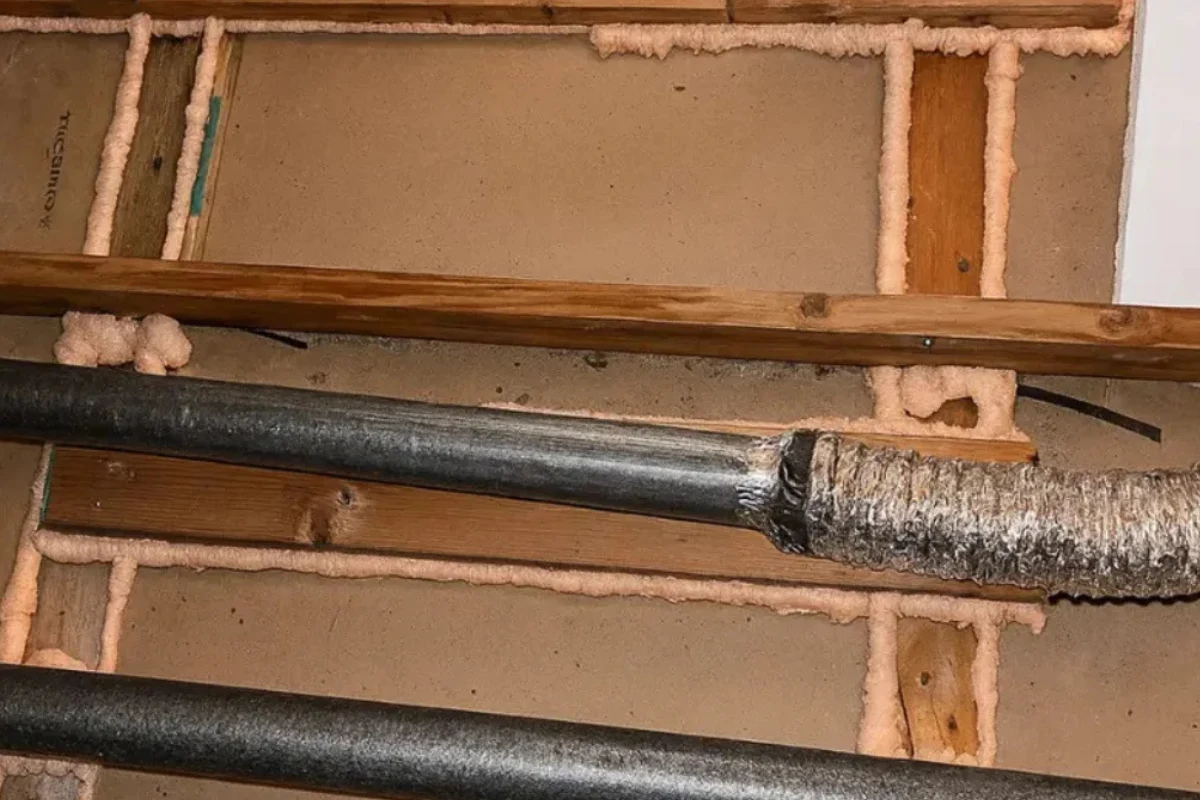
You manage 4-8 unit buildings converted from single-family Victorians where tenants complain constantly about uneven heating. Sealing the bypass around radiator pipes, chimney chases, and old laundry chutes stops stack-effect drafts that make top-floor units hot and ground-floor units cold. Proper air sealing can cut heating costs by 15-20% across the entire building.
Buildings near the Johns Hopkins Homewood campus often have central boilers and individual unit thermostats that fight each other when air leaks exist. Air leaks waste steam heat and trigger noise complaints from tenants who hear wind whistling through walls. Our team also handles HVAC contractor services and air conditioning work when heating and cooling systems need attention alongside insulation upgrades.
We work during August turnover (post-graduation moveout) or winter break when units sit empty and access is easiest. Dust containment keeps hallways tenant-ready if occupied units remain in the building. We provide 24-hour notice to all tenants before starting work in common areas.
Get Your Estimate
Enter your information below
- Done Right
- Done Legit
- Maximum Savings
- Done Right
- Done Legit
- Maximum Savings
faq
FAQs
About Insulation & HVAC Services in
Baltimore
1. Can you insulate a Charles Village attic if there's no pull-down stairs?
2. Do I need a permit to add insulation to my rowhome in Baltimore City?
3. How do you handle parking on North Calvert or St. Paul during the job?
4. Can you insulate shared walls between rowhomes?
5. What's the wait time for an attic inspection near Johns Hopkins?
6. Will insulation work trigger dust in a finished basement apartment?
service areas
Your Local Insulation & HVAC Experts in Baltimore
Serving homeowners across Baltimore, BGE, PEPCO & DELMARVA territories since 2006 with honest energy solutions.
Ready to Lower Your Energy Bills?
- Done Right
- Done Legit
- Maximum Savings
- Done Right
- Done Legit
- Maximum Savings