
Existing Home Insulation in Baltimore
Licensed & insured insulation + HVAC contractors
Serving Baltimore City & Baltimore County since 2006
Same-day energy audits — we diagnose first
800+ energy-efficient homes in Baltimore
5.0
Based on Google, Facebook & BBB Reviews

Get Your Estimate
Enter your information below





Reviews
Trusted by Baltimore Homeowners
Posted onTrustindex verifies that the original source of the review is Google. Bob came to inspect the house, carefully evaluated what had to be done and explained us in detail the work that he would do. He then send us a very reasonable estimate and came to do the work soon after. He was very kind throughout the process and even offered to work around the nap time of our daughter not to make too much noise. He completed the work in half a day with his helper that also left the area clean and tidy. We would recommend Bob for great insulation work at a good price!Posted onTrustindex verifies that the original source of the review is Google. They did a good job in insulation and good customer service.Posted onTrustindex verifies that the original source of the review is Google. I have used Bob and his team on two separate instances for two different properties, and both times they were able to quickly identify my issues and help remediate them! Most recently, my fiancé and I moved into a 1900s renovated home. Upon moving in, we quickly noticed that we were FREEZING all the time, even when cranking the heat. Bob and his team came and performed a full audit of the home and discovered there was absolutely no insulation on our third floor. They also gave us some other very helpful tips on how to save energy in our home. I would recommend anyone who owns property to have Bob and his team come at the very least do an audit at your property, as we ended up saving tons of money on our energy bills after using his services. It is definitely worth it, especially if you have an older home or have been noticing high bills.Posted onTrustindex verifies that the original source of the review is Google. Got my attic insulated last February. H.E.L.P. did an excellent job. I could immediately see the difference in my energy bill, and the comfort in my home. I highly recommend them.Posted onTrustindex verifies that the original source of the review is Google. They insulated my (absolutely no insulation upon move-in) flat roof at a reasonable price! Bob and Mike came to assess/quote and Mike was super friendly and knowledgeable at installation!Posted onTrustindex verifies that the original source of the review is Google. HELP was a huge help for us. We are new homeowners and we were shocked at our high gas bills during our first winter in the house. After researching online, we signed up for the BGE home energy audit (costs $100 and includes a lot of free stuff as part of the audit. There is zero reason not to do it if you are at all concerned about the weatherproofing in your home). Bob from HELP came out to perform our audit, which revealed the existence of several massive connections between the attic and our basement, which essentially caused our basement to constantly suck cold air in from the outside, forcing our furnace to work overtime. Bob walked us through his proposal and quote as well as the BGE rebate process, and was able to secure a really high rebate for us. Mike and Joe came out to do the actual insulating and sealing work, and they were polite, diligent, and thorough throughout. I can’t say enough positive things about the HELP team and I highly highly recommend both HELP and the BGE Energy Audit program.Posted onTrustindex verifies that the original source of the review is Google. After getting a horrific energy bill on a recently renovated house in Arbutus, I called HELP and Bob came by and completely insulated the home, made things more energy efficient, and educated us along the way! Just received our energy bill and we think Bob is a rock star! Thank you!Posted onTrustindex verifies that the original source of the review is Google. I had my house attic and garage insulated along with some other energy efficiency updates and I can't say enough good things about H.E.L.P. After enduring adverse temperature extremes and paying out very high electric and gas bills for two years I am so glad to have made the investment to get the issues fixed. Thanks again Bob!
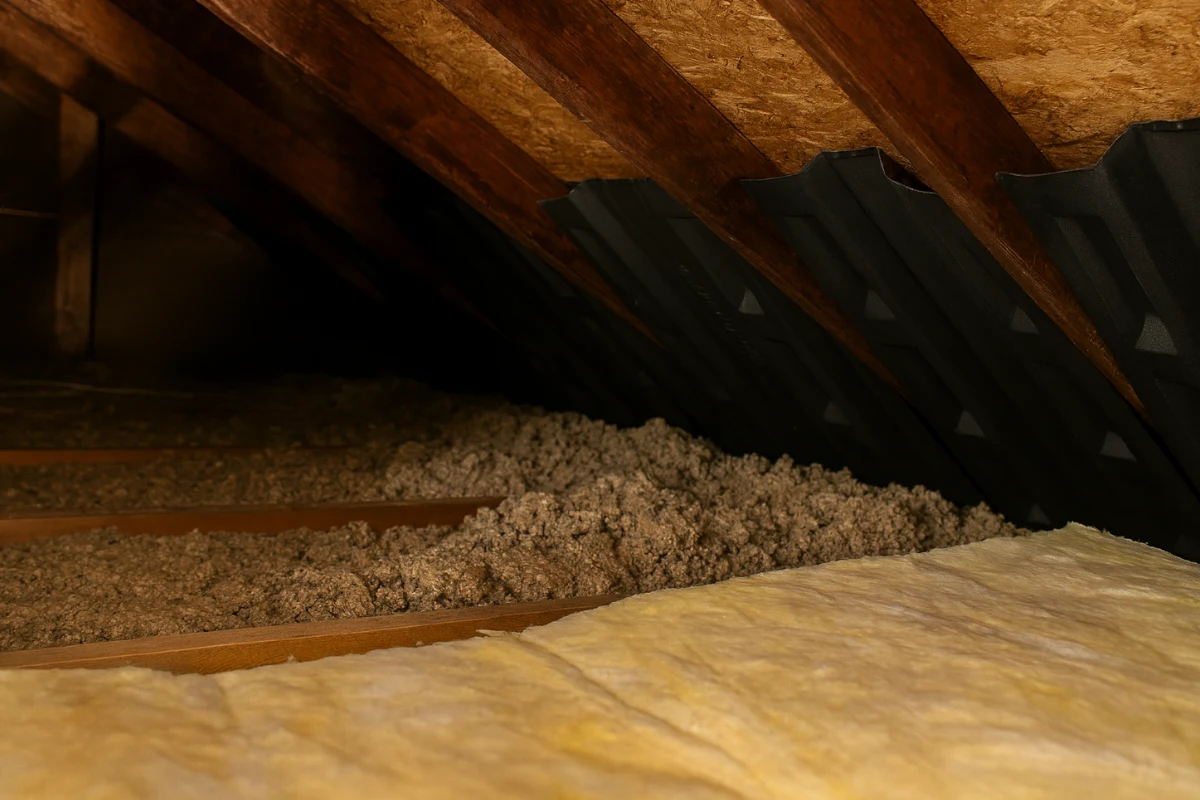
In Baltimore, older homes lose heat through attics, walls, and crawl spaces year-round. This page covers how insulation contractors upgrade existing homes without major demolition. Methods include blown-in, spray foam, and dense-pack for walls already closed. We inspect, recommend, and install based on your home’s age and layout. Same-week estimates are available across the city.
Insulating Existing Walls Without Removing Drywall Saves Time and Money
Homeowners in Canton and Hampden with cold bedrooms or high heating bills can upgrade wall insulation without renovation. We drill 2-inch holes between studs, blow dense-pack cellulose or foam into each cavity, and patch the holes the same day. You avoid dust, debris, and weeks of construction.
Brick rowhomes in Baltimore have little to no wall insulation from original construction. Builders in the 1900s relied on brick mass alone. That leaves your interior walls hollow and your furnace working overtime. Dense-pack cellulose fills those gaps completely and stops air from moving through the cavities.
We start by locating studs with a scanner. Small holes go in the top of each wall bay. Material flows down until the cavity is full. We verify density with a probe, then patch and paint-match if requested. Most rooms finish in under two hours.
Get Your Estimate
Enter your information below
process
Blown-In and Spray Foam Work Best for Baltimore's Older Rowhomes
Owners of pre-1950 brick or frame homes seeking wall and attic upgrades benefit from blown-in cellulose and closed-cell spray foam. Blown-in material fills irregular cavities that batts cannot reach. Closed-cell spray foam stops air leaks in rim joists and band boards where cold air enters basements.
Balloon framing in older Baltimore homes requires cavity-by-cavity filling to prevent voids. Unlike platform framing, balloon construction runs studs from foundation to roof with no fire stops. That means air can travel vertically through walls. We seal each bay individually so insulation stays in place and performs as rated.
Attics with low clearance or odd angles get loose-fill cellulose blown to R-38. We use hoses to reach tight spots near chimneys and eaves. Spray foam goes on rim joists in the basement where wood meets concrete. That combination cuts drafts and lowers heating bills by 20 to 30 percent in most homes.
Maryland R-Value Codes Require Higher Attic Insulation Than Most Homes Have
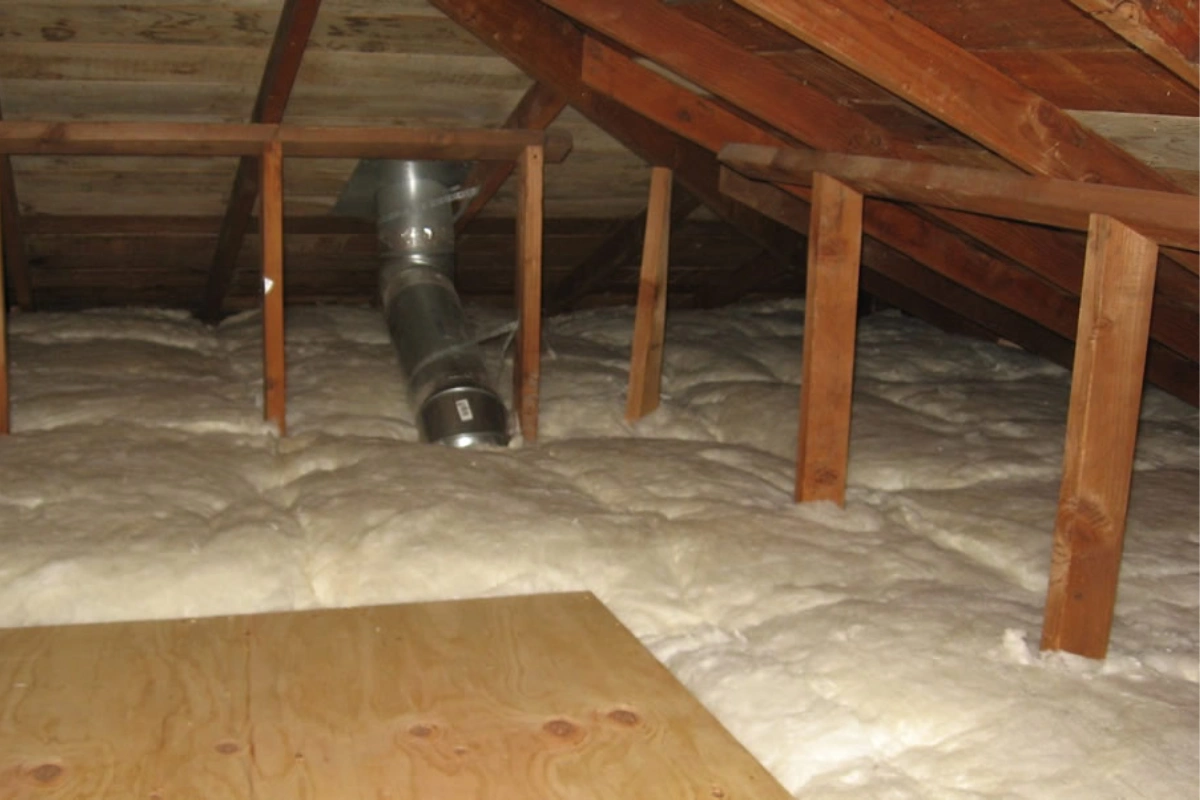
Sellers preparing for inspections or buyers closing in Fell’s Point and Locust Point need attic insulation that meets Maryland’s R-38 standard. Meeting that code cuts heating costs and satisfies requirements during resale reviews. Inspectors flag thin or missing attic insulation in disclosure reports.
Baltimore rowhomes often have shared attics where one space runs across multiple units. Insulation improves your side without neighbor permission because the work stays within your property line. We add loose-fill cellulose or fiberglass batts over joists to bring R-value up to code.
Most older homes have R-11 or R-19 in the attic. That falls short by half. We measure existing depth with a ruler and calculate how much material to add. The new layer blows in evenly and covers gaps around vents and wiring. You see lower gas bills within the first heating season.
insulation
Fixing Cold Rooms Starts With an Attic and Wall Cavity Inspection
Families in Federal Hill noticing uneven temperatures floor to floor benefit from a thermal camera inspection before installation starts. The camera reveals missing insulation, air leaks, and moisture in cavities. We map problem areas and recommend solutions based on what we find.
Humid Baltimore summers cause mold if installers add insulation over wet cavities. We check for roof leaks, plumbing condensation, and failed vapor barriers before blowing in new material. Moisture gets addressed first. Then insulation goes dry and stays effective for decades.
Cold rooms often trace back to bypasses in the attic floor. Recessed lights, plumbing chases, and gaps around chimneys let conditioned air escape. We seal those openings with fire-rated caulk or foam. After air sealing, insulation works the way it should. Rooms stay warmer in winter and cooler in summer.
ATTIC TYPES
Adding Insulation Over Old Material Works If the Original Layer Is Dry
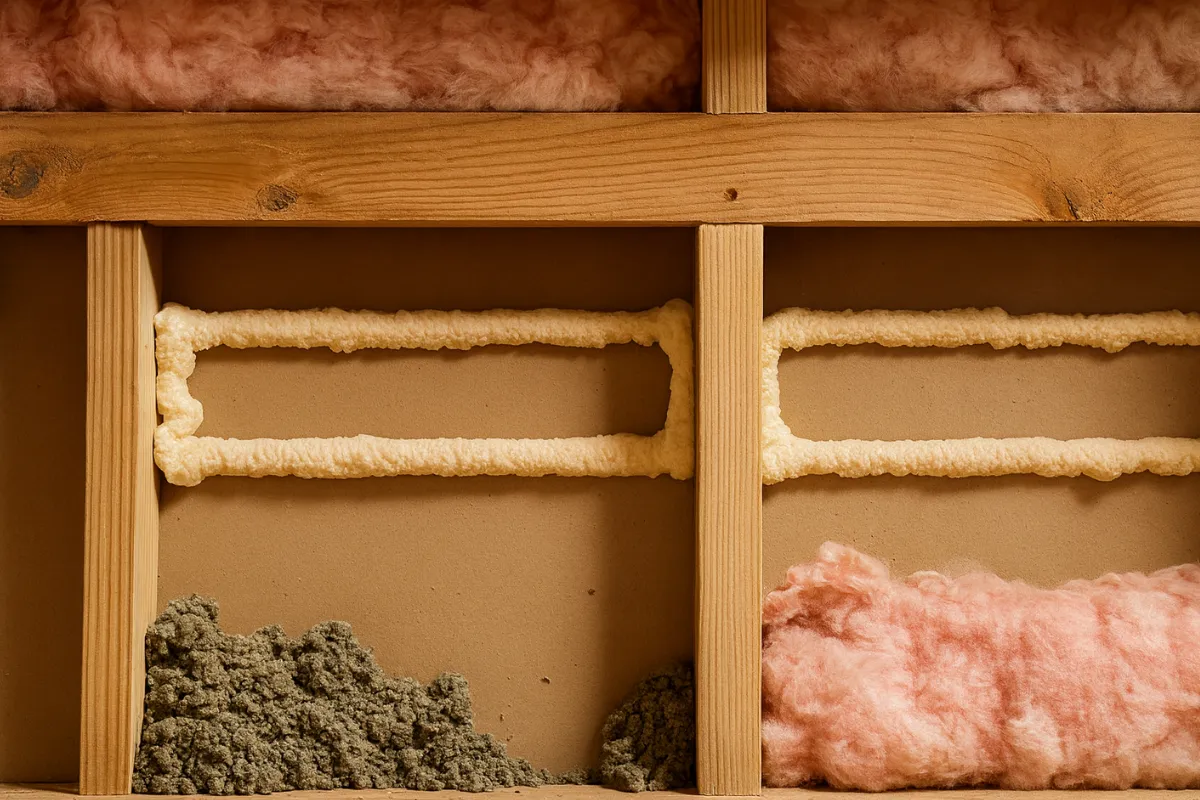
Homeowners in Towson and Parkville with some attic batts already installed can add loose-fill over the top to reach R-38 without removal. We blow cellulose or fiberglass over existing layers as long as the original material is dry and mold-free. This saves labor and keeps disposal costs low.
Old insulation compressed by stored holiday decorations in Baltimore attics loses R-value over time. Fiberglass batts squashed under boxes provide less than half their rated performance. We remove stored items, fluff compressed batts if possible, and add loose-fill to restore full coverage. The new layer spreads evenly and fills gaps the old batts missed.
We never add insulation over wet or moldy material. Moisture gets trapped and damages roof decking or ceiling drywall below. Our crew checks for stains, odors, and soft spots before starting. If the attic passes inspection, the new layer goes down in under four hours for a typical rowhome.
Get Your Estimate
Enter your information below
- Done Right
- Done Legit
- Maximum Savings
- Done Right
- Done Legit
- Maximum Savings
faq
FAQs
About Insulation & HVAC Services in
Baltimore
1. Can you add insulation to a Baltimore rowhome without tearing out plaster walls?
2. Does Baltimore require a permit to upgrade attic insulation?
3. How long does it take to insulate an existing home in Baltimore?
4. Will new insulation stop my second floor from being 10 degrees warmer in summer?
5. Is spray foam safe for older Baltimore homes with knob-and-tube wiring?
6. Can I insulate my basement walls if they're already finished in drywall?
service areas
Your Local Insulation & HVAC Experts in Baltimore
Serving homeowners across Baltimore, BGE, PEPCO & DELMARVA territories since 2006 with honest energy solutions.
Ready to Lower Your Energy Bills?
- Done Right
- Done Legit
- Maximum Savings
- Done Right
- Done Legit
- Maximum Savings