
Stop Cold Drafts in Baltimore Homes with Professional Draft Sealing
Licensed & insured insulation + HVAC contractors
Serving Baltimore City & Baltimore County since 2006
Same-day energy audits — we diagnose first
800+ energy-efficient homes in Baltimore
5.0
Based on Google, Facebook & BBB Reviews

Get Your Estimate
Enter your information below





Reviews
Trusted by Baltimore Homeowners
Posted onTrustindex verifies that the original source of the review is Google. Bob came to inspect the house, carefully evaluated what had to be done and explained us in detail the work that he would do. He then send us a very reasonable estimate and came to do the work soon after. He was very kind throughout the process and even offered to work around the nap time of our daughter not to make too much noise. He completed the work in half a day with his helper that also left the area clean and tidy. We would recommend Bob for great insulation work at a good price!Posted onTrustindex verifies that the original source of the review is Google. They did a good job in insulation and good customer service.Posted onTrustindex verifies that the original source of the review is Google. I have used Bob and his team on two separate instances for two different properties, and both times they were able to quickly identify my issues and help remediate them! Most recently, my fiancé and I moved into a 1900s renovated home. Upon moving in, we quickly noticed that we were FREEZING all the time, even when cranking the heat. Bob and his team came and performed a full audit of the home and discovered there was absolutely no insulation on our third floor. They also gave us some other very helpful tips on how to save energy in our home. I would recommend anyone who owns property to have Bob and his team come at the very least do an audit at your property, as we ended up saving tons of money on our energy bills after using his services. It is definitely worth it, especially if you have an older home or have been noticing high bills.Posted onTrustindex verifies that the original source of the review is Google. Got my attic insulated last February. H.E.L.P. did an excellent job. I could immediately see the difference in my energy bill, and the comfort in my home. I highly recommend them.Posted onTrustindex verifies that the original source of the review is Google. They insulated my (absolutely no insulation upon move-in) flat roof at a reasonable price! Bob and Mike came to assess/quote and Mike was super friendly and knowledgeable at installation!Posted onTrustindex verifies that the original source of the review is Google. HELP was a huge help for us. We are new homeowners and we were shocked at our high gas bills during our first winter in the house. After researching online, we signed up for the BGE home energy audit (costs $100 and includes a lot of free stuff as part of the audit. There is zero reason not to do it if you are at all concerned about the weatherproofing in your home). Bob from HELP came out to perform our audit, which revealed the existence of several massive connections between the attic and our basement, which essentially caused our basement to constantly suck cold air in from the outside, forcing our furnace to work overtime. Bob walked us through his proposal and quote as well as the BGE rebate process, and was able to secure a really high rebate for us. Mike and Joe came out to do the actual insulating and sealing work, and they were polite, diligent, and thorough throughout. I can’t say enough positive things about the HELP team and I highly highly recommend both HELP and the BGE Energy Audit program.Posted onTrustindex verifies that the original source of the review is Google. After getting a horrific energy bill on a recently renovated house in Arbutus, I called HELP and Bob came by and completely insulated the home, made things more energy efficient, and educated us along the way! Just received our energy bill and we think Bob is a rock star! Thank you!Posted onTrustindex verifies that the original source of the review is Google. I had my house attic and garage insulated along with some other energy efficiency updates and I can't say enough good things about H.E.L.P. After enduring adverse temperature extremes and paying out very high electric and gas bills for two years I am so glad to have made the investment to get the issues fixed. Thanks again Bob!
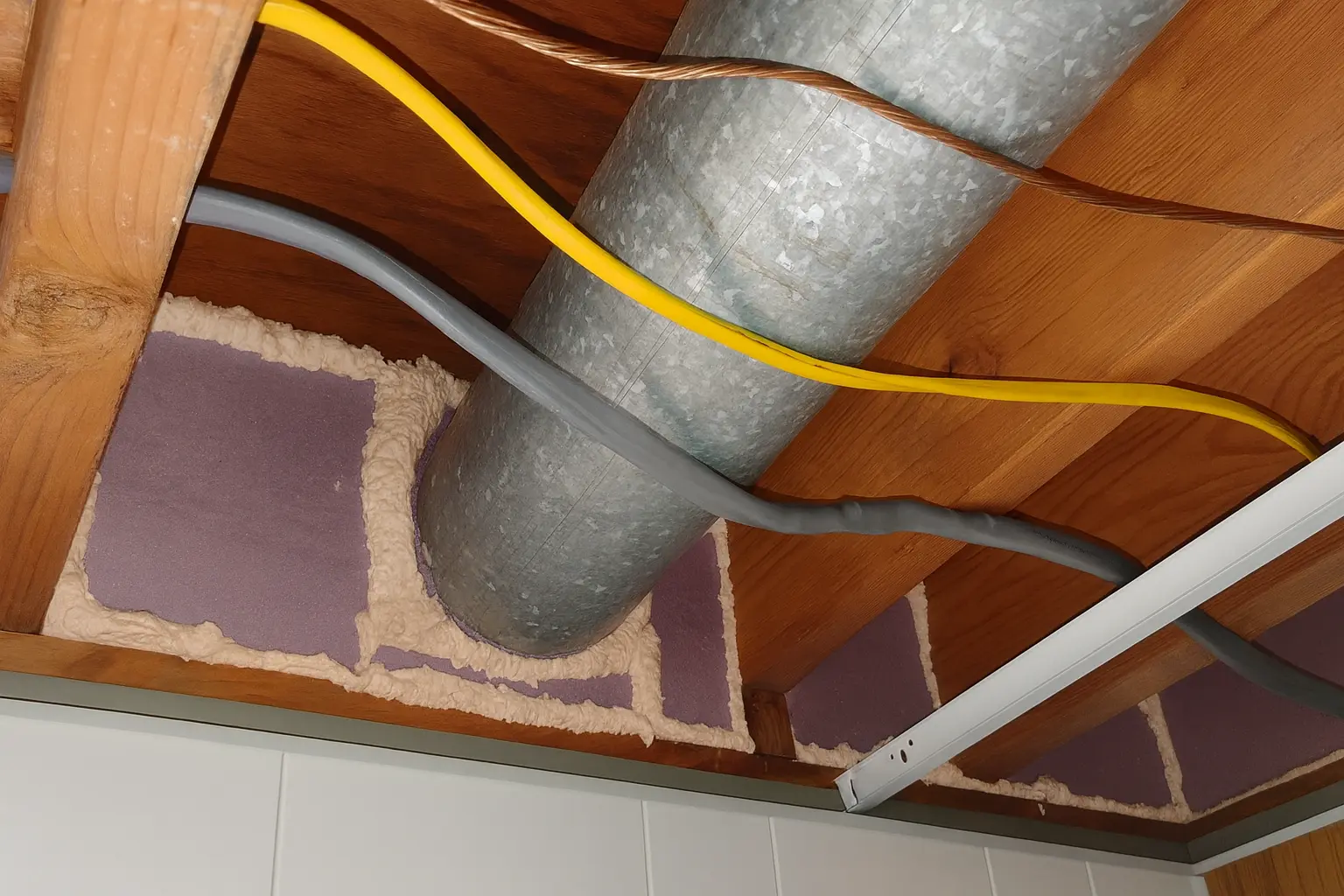
In Baltimore, drafty windows and doors drive up heating bills during harsh winters. This page covers draft sealing for windows, doors, baseboards, and gaps that let cold air inside. You’ll learn where drafts hide, how sealing works, and what Baltimore homeowners should expect. Most homes get sealed in 2-4 hours. We provide this service year-round through licensed insulation contractors serving Baltimore, MD who understand mid-Atlantic weather demands.
Window and Door Gaps Let Cold Air Into Baltimore Rowhomes and Split-Levels
Get Your Estimate
Enter your information below
process
Caulk and Weatherstripping Block Different Types of Drafts
Baseboard Gaps Create Floor-Level Drafts in Older Baltimore Neighborhoods
Sealed Windows and Doors Lower Heating Costs All Winter
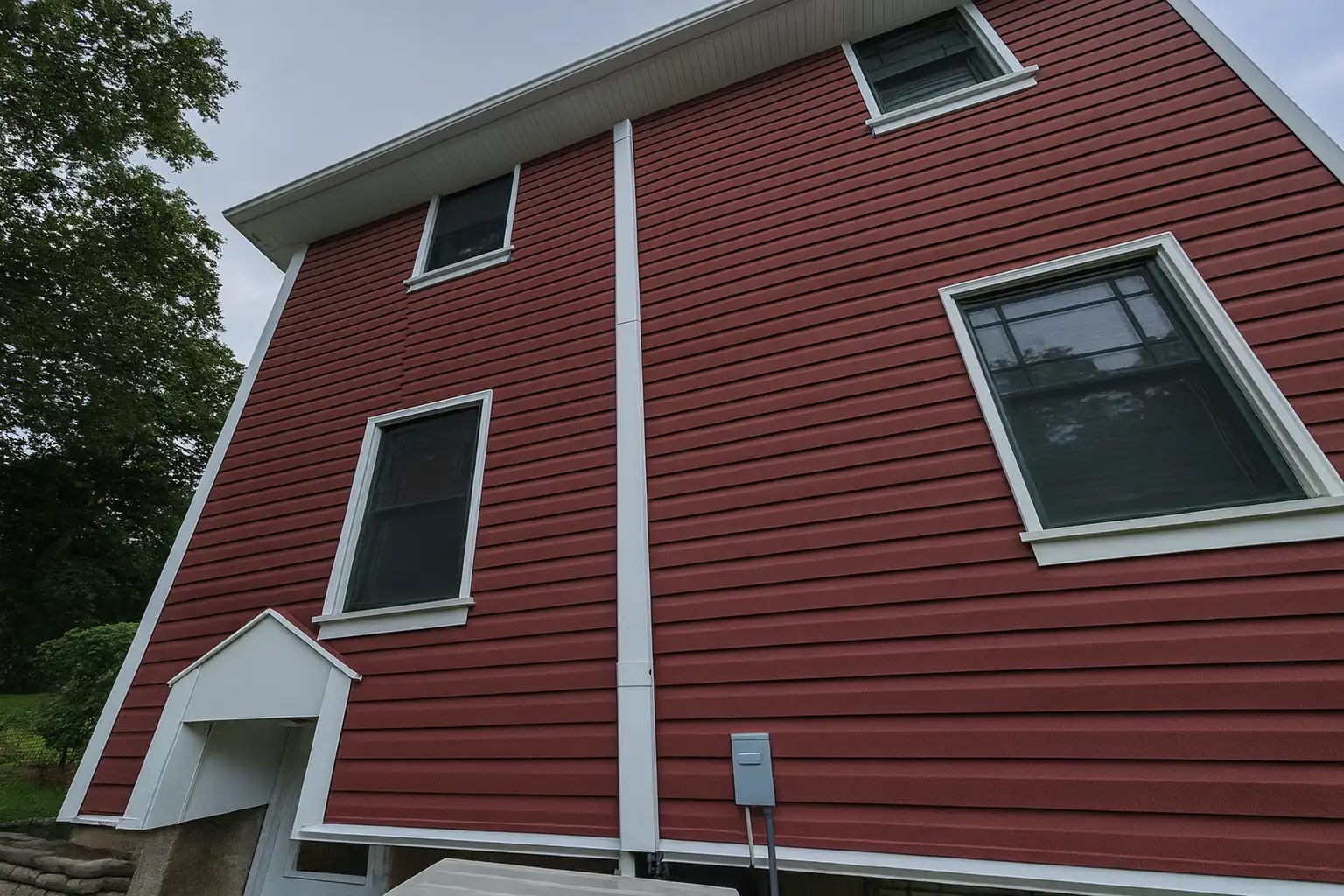
How Draft Sealing Works in Baltimore Homes
- Caulk fills stationary cracks in frames and trim
- Weatherstripping seals movable parts like door sweeps
- Spray foam closes hidden gaps behind baseboards
insulation
Removing Old Caulk Prepares Surfaces for Long-Lasting Seals
ATTIC TYPES
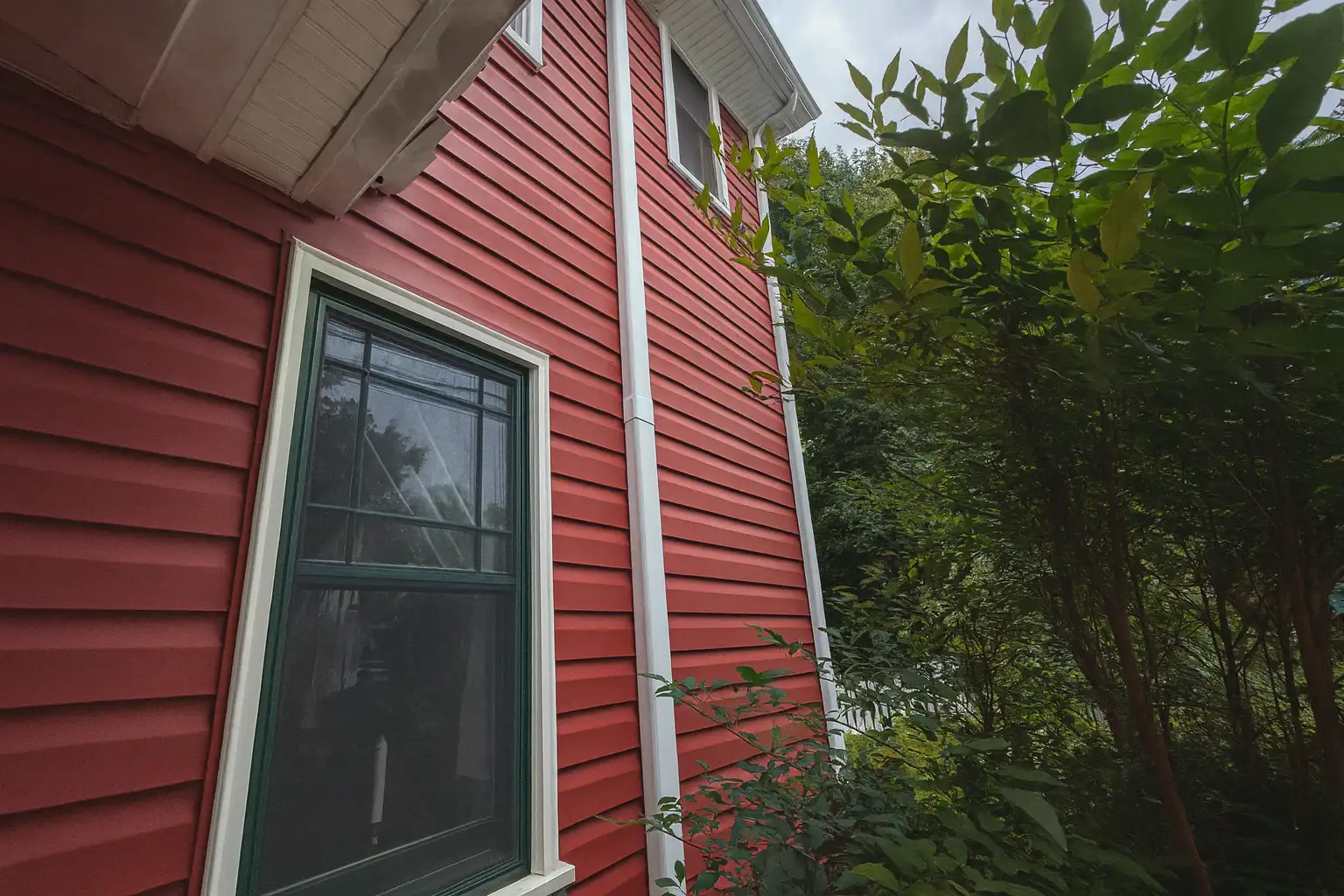
Painted Caulk Blends Seamlessly After Draft Sealing Work
Get Your Estimate
Enter your information below
- Done Right
- Done Legit
- Maximum Savings
- Done Right
- Done Legit
- Maximum Savings
faq
FAQs
About Insulation & HVAC Services in
Baltimore
1. Does draft sealing work in Baltimore rowhomes with shared walls?
2. How long does caulk last around windows in Baltimore weather?
3. Can I seal drafts myself or should I hire an insulation contractor in Baltimore?
Small jobs work for DIY if you have the right materials. Whole-home sealing benefits from professional insulation contractors in Baltimore who use tools like infrared cameras to find hidden leaks. We locate drafts you can’t feel or see. Our equipment and experience deliver complete results the first time.
4. When is the best time to seal drafts in a Baltimore home?
5. Will draft sealing stop all cold air from coming through my Baltimore windows?
6. Do I need to remove old weatherstripping before adding new material?
service areas
Your Local Insulation & HVAC Experts in Baltimore
Serving homeowners across Baltimore, BGE, PEPCO & DELMARVA territories since 2006 with honest energy solutions.
Ready to Lower Your Energy Bills?
- Done Right
- Done Legit
- Maximum Savings
- Done Right
- Done Legit
- Maximum Savings