
Weatherization Services in Baltimore
Licensed & insured insulation + HVAC contractors
Serving Baltimore City & Baltimore County since 2006
Same-day energy audits — we diagnose first
800+ energy-efficient homes in Baltimore
5.0
Based on Google, Facebook & BBB Reviews
Get Your Estimate
Enter your information below





Reviews
Trusted by Baltimore Homeowners
Posted onTrustindex verifies that the original source of the review is Google. Bob came to inspect the house, carefully evaluated what had to be done and explained us in detail the work that he would do. He then send us a very reasonable estimate and came to do the work soon after. He was very kind throughout the process and even offered to work around the nap time of our daughter not to make too much noise. He completed the work in half a day with his helper that also left the area clean and tidy. We would recommend Bob for great insulation work at a good price!Posted onTrustindex verifies that the original source of the review is Google. They did a good job in insulation and good customer service.Posted onTrustindex verifies that the original source of the review is Google. I have used Bob and his team on two separate instances for two different properties, and both times they were able to quickly identify my issues and help remediate them! Most recently, my fiancé and I moved into a 1900s renovated home. Upon moving in, we quickly noticed that we were FREEZING all the time, even when cranking the heat. Bob and his team came and performed a full audit of the home and discovered there was absolutely no insulation on our third floor. They also gave us some other very helpful tips on how to save energy in our home. I would recommend anyone who owns property to have Bob and his team come at the very least do an audit at your property, as we ended up saving tons of money on our energy bills after using his services. It is definitely worth it, especially if you have an older home or have been noticing high bills.Posted onTrustindex verifies that the original source of the review is Google. Got my attic insulated last February. H.E.L.P. did an excellent job. I could immediately see the difference in my energy bill, and the comfort in my home. I highly recommend them.Posted onTrustindex verifies that the original source of the review is Google. They insulated my (absolutely no insulation upon move-in) flat roof at a reasonable price! Bob and Mike came to assess/quote and Mike was super friendly and knowledgeable at installation!Posted onTrustindex verifies that the original source of the review is Google. HELP was a huge help for us. We are new homeowners and we were shocked at our high gas bills during our first winter in the house. After researching online, we signed up for the BGE home energy audit (costs $100 and includes a lot of free stuff as part of the audit. There is zero reason not to do it if you are at all concerned about the weatherproofing in your home). Bob from HELP came out to perform our audit, which revealed the existence of several massive connections between the attic and our basement, which essentially caused our basement to constantly suck cold air in from the outside, forcing our furnace to work overtime. Bob walked us through his proposal and quote as well as the BGE rebate process, and was able to secure a really high rebate for us. Mike and Joe came out to do the actual insulating and sealing work, and they were polite, diligent, and thorough throughout. I can’t say enough positive things about the HELP team and I highly highly recommend both HELP and the BGE Energy Audit program.Posted onTrustindex verifies that the original source of the review is Google. After getting a horrific energy bill on a recently renovated house in Arbutus, I called HELP and Bob came by and completely insulated the home, made things more energy efficient, and educated us along the way! Just received our energy bill and we think Bob is a rock star! Thank you!Posted onTrustindex verifies that the original source of the review is Google. I had my house attic and garage insulated along with some other energy efficiency updates and I can't say enough good things about H.E.L.P. After enduring adverse temperature extremes and paying out very high electric and gas bills for two years I am so glad to have made the investment to get the issues fixed. Thanks again Bob!
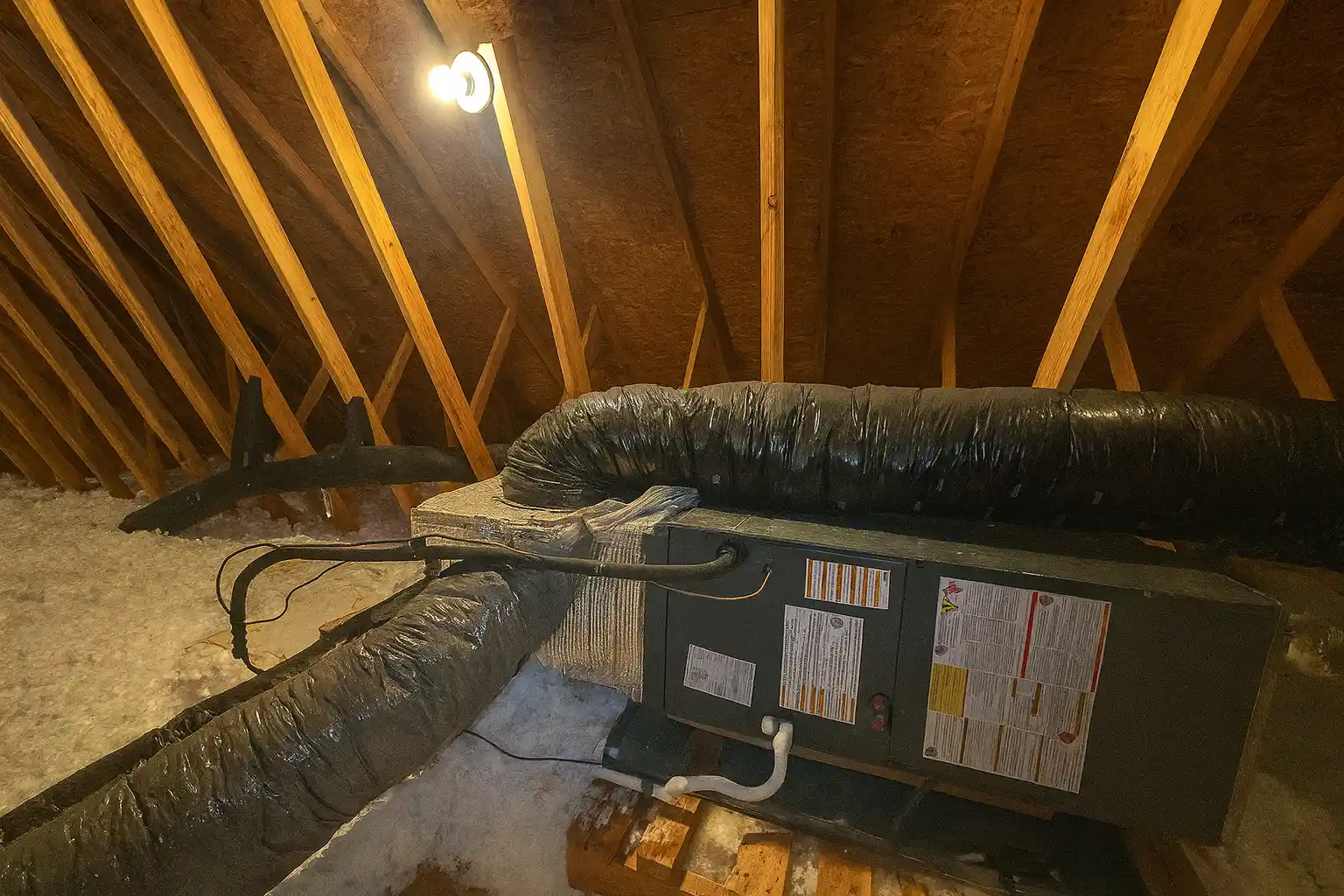
In Baltimore, weatherization services seal air leaks and add insulation to lower heating and cooling costs. We provide weatherization audits, air sealing, attic and wall insulation, and duct sealing. Most Baltimore homes are checked the same week you call. Work is done in 1-3 days. As a licensed insulation contractor serving Baltimore City and Baltimore County, we help local families stay comfortable while cutting energy waste. After years of working in Baltimore homes, we’ve learned that the homes with the worst energy bills usually have the simplest fixes.
Air Sealing and Insulation Work Together to Stop Energy Loss
Do you feel drafts in your Baltimore rowhouse? Do some rooms stay colder than others? We hear this all the time from homeowners. Air leaks let your heated and cooled air escape. Sealing these gaps before adding insulation stops air from sneaking around new materials. Without air sealing, warm air slips out during those cold Baltimore winters. Hot, humid air pushes in during muggy summers
Here’s what we’ve seen after working on hundreds of Baltimore rowhouses: the biggest air leaks hide at party walls and rim joists. These spots connect to neighboring units or outside air. Most homeowners have no idea these gaps exist until we show them with a blower door test. We seal openings around windows, doors, outlets, and pipes with caulk or spray foam. Once leaks are closed, insulation does its job. You’ll feel fewer drafts coming off the harbor. Rooms will have more even temperatures from Federal Hill to Hampden.
Our advice? Don’t skip air sealing to save money. We’ve watched homeowners waste thousands on new insulation that doesn’t work because air just flows around it. Air sealing lowers your BGE bills by keeping air inside your home. It also cuts down on street noise and city dust. When we seal first and insulate second, you get the best comfort and energy savings Baltimore weatherization can deliver. That’s the right way to do it.
Get Your Estimate
Enter your information below
process
Attic Insulation Upgrades Deliver the Biggest Savings in Baltimore Homes
Homeowners in Canton, Hampden, and Pigtown tell us about high summer cooling bills and cold bedrooms in winter. We go into their attics and find the problem right away. Poor attic insulation lets heat pour in during sweltering Baltimore summers. It lets warmth escape during those January cold snaps when temps drop below freezing. Your attic causes the biggest energy loss in most Baltimore homes. Fix it first.
Many rowhouse and detached home attics around Baltimore have old fiberglass insulation that’s settled below R-30. Maryland recommends R-38 or higher for our climate. We’ve pulled out insulation from the 1960s that’s compressed to almost nothing. Settling happens over time as insulation gets pressed down. It loses its power to work well. Some attics we see have animal damage or water stains from old roof leaks. We remove old material if it’s damaged or dirty. Then we install fresh insulation to the right depth. Blown-in cellulose or fiberglass fills gaps around wood beams and wires that batts miss.
In our experience, better attic insulation gives you the fastest payback of any home upgrade. You’ll stay cooler on hot August days without running your AC all the time. In winter, your furnace won’t turn on as often to keep rooms warm during those nor’easters. Most attic projects in Baltimore neighborhoods finish in one day. There’s very little mess in your home. We’ve had customers call us back amazed at how much their second-floor bedrooms improved after just one day of work.
Duct Sealing Keeps Conditioned Air Inside Your Living Spaces
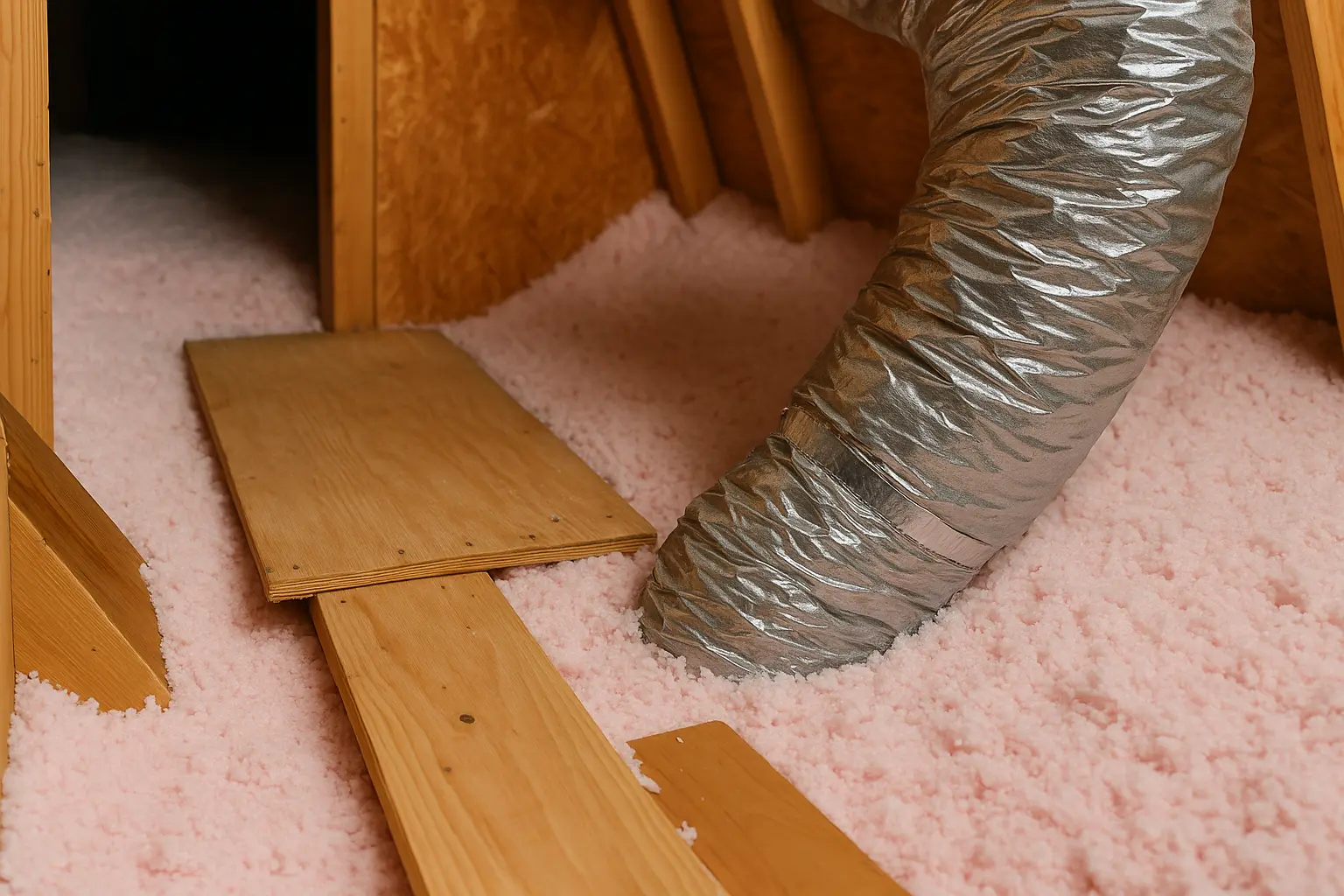
Do you have a forced-air HVAC system? Do you have an unfinished basement or vented crawl space? We find leaky ducts in almost every Baltimore home we audit. Here’s the thing most people don’t realize: you’re paying to heat and cool your basement or crawl space instead of your living rooms. Sealed ducts deliver more heated and cooled air where you need it. This cuts runtime and BGE costs. Gaps at duct joints let air escape into spaces you don’t use.
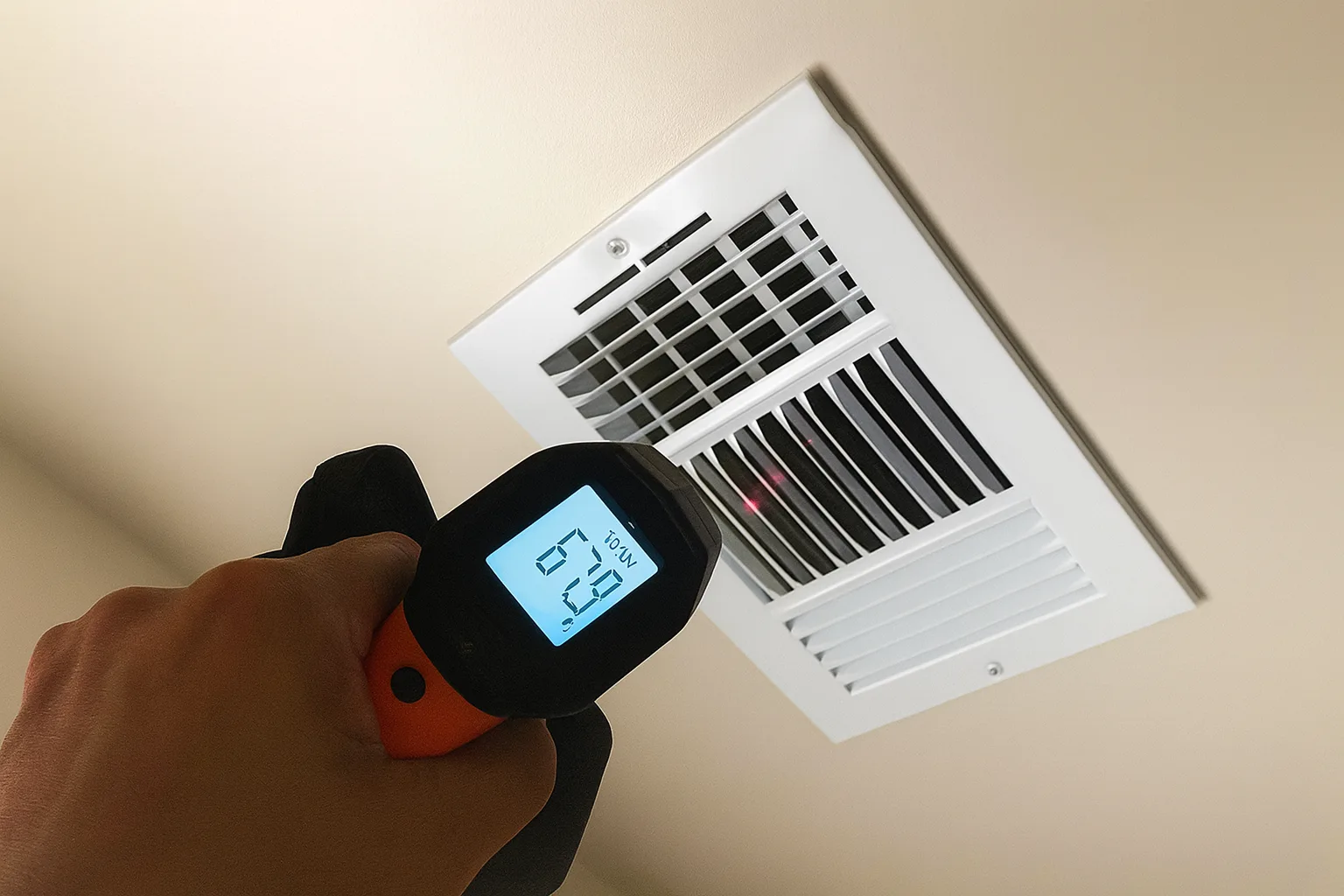
Baltimore’s humid summers cause water drops to form on unsealed ducts. This wastes cooling energy and can cause mold growth in damp Baltimore basements. We’ve seen ducts with gaps you could stick your fingers through. We seal duct joints and connections with mastic or metal tape. Flex ducts get checked for tears and loose collars. Supply registers are checked to make sure air flows right into each room of your Baltimore home.
One customer in Locust Point told us his bedroom finally felt comfortable for the first time in five years after we sealed his ducts. The difference surprised him. Duct sealing makes your home more comfortable by balancing airflow throughout your house. Rooms that used to feel stuffy or cold will match the rest. Your HVAC system runs less often fighting Baltimore’s weather extremes. You’ll see lower BGE bills and better temperature control all year. Trust us on this one.
Weatherization Audits Identify Where Your Home Loses Heat and Cool Air
Before you insulate your Baltimore home, get an audit. We can’t tell you how many times homeowners have guessed wrong about their biggest energy problems. A weatherization audit shows exactly where to focus work. You get the best return on your money. Blower door tests and thermal imaging cameras find hidden air leaks and insulation gaps. We measure how much air escapes through your walls, windows, and roof. The thermal camera doesn’t lie.
Baltimore building codes change based on how old your neighborhood is. Mount Vernon homes have different needs than newer builds in Canton. We know the local code inside and out. Audits confirm which upgrades meet today’s standards. Older rowhomes built before 1980 often lack basic insulation in walls and attics. We’ve found homes with literally zero insulation in the walls. Newer homes around the harbor may have insulation installed wrong or pressed down. We document what we find with photos and measurements you can review.
An audit gives you a clear plan for weatherization work in your Baltimore home. You’ll know which projects save the most energy. You’ll know which can wait. We quote each upgrade separately so you can budget improvements over time. Some customers do everything at once. Others spread the work over a year. Both approaches work. Most audits in Baltimore City and County take 60-90 minutes. You get a written report with next steps. No pressure, just facts.
ATTIC TYPES
Crawl Space and Basement Insulation Prevent Cold Floors in Winter
Homes in Locust Point and Federal Hill often have cold floors in winter. We hear complaints about freezing feet every time temps drop. Many have pier-and-beam foundations or walls with no insulation. Insulating foundation walls and rim joists gets rid of cold spots. It cuts heating demand during Baltimore’s coldest months. Ground temperatures stay cooler than indoor air. This pulls heat from your home constantly.
Baltimore’s below-grade spaces stay damp all year because of our humid Mid-Atlantic climate. We’ve seen what happens when contractors use the wrong materials down there. Fiberglass batts soak up moisture and fall down. Paper-backed insulation grows mold. Don’t let anyone talk you into cheap options for your basement. Proper vapor barriers and closed-cell foam stop moisture damage. We insulate basement walls with rigid foam or spray foam that won’t soak up water from Baltimore’s high water table. Rim joists get sealed with spray foam. This stops air leaks where the foundation meets the first floor. Crawl spaces get vapor barriers on dirt floors. We add insulation on walls or band joists
Basement and crawl space insulation makes your first floor more comfortable during Baltimore winters. You won’t need thick socks or space heaters to stay warm. One customer in Federal Hill told us she could finally walk around barefoot in January after we insulated her crawl space. Your furnace runs less because it’s not fighting cold air rising from below. Moisture control also stops mold and wood rot common in older Baltimore homes. We’ve saved homeowners from expensive structural repairs by catching moisture problems early.
insulation
Proper Ventilation During Weatherization Protects Indoor Air Quality
When you add insulation and air sealing to your Baltimore home, you need balanced ventilation. This is where some weatherization companies cut corners. They seal everything tight and leave. Then homeowners complain about stuffy air and foggy windows. Balanced ventilation removes stale air and moisture without losing heated or cooled air. Older Baltimore rowhomes in neighborhoods like Fells Point and Bolton Hill often lack mechanical ventilation. Weatherization must include exhaust fans or ERV systems to meet Maryland code. Making your home tight without adding ventilation traps humidity and cooking smells inside.
We install bathroom exhaust fans that vent outdoors. We add kitchen range hoods that remove moisture from steamy Baltimore summers. Energy recovery ventilators bring in fresh air. They capture heat from outgoing air. This keeps your home from feeling stuffy after weatherization work. Good ventilation also stops condensation on windows and mold growth in corners common to Baltimore’s humid climate. We’ve gone back to fix other contractors’ mistakes on this too many times.
Here’s our honest opinion: ventilation matters just as much as insulation. Balanced ventilation protects your weatherization investment. Your insulation stays dry and works well for decades in Baltimore’s weather. You breathe cleaner air without giving up energy savings. We size ventilation systems based on your home’s square footage and how many people live there to meet Maryland energy code requirements. Do it right the first time.
How do you weatherize a home in Baltimore?
Get Your Estimate
Enter your information below
- Done Right
- Done Legit
- Maximum Savings
- Done Right
- Done Legit
- Maximum Savings
faq
FAQs
About Insulation & HVAC Services in
Baltimore
1. How long does weatherization take for a typical Baltimore home?
2. Do I need to leave my home during weatherization work?
3. Will weatherization help lower my BGE bills?
Yes, sealing leaks and adding insulation typically cut heating and cooling costs by 15-30 percent for Baltimore households. We’ve seen some older homes save even more. If you meet income guidelines, Baltimore City offers free weatherization services through the Weatherization Assistance Program.
4. Can you weatherize a Baltimore rowhome with shared walls?
5. What insulation type works best in humid Baltimore summers?
6. Do I need a permit for weatherization in Baltimore City?
service areas
Your Local Insulation & HVAC Experts in Baltimore
Serving homeowners across Baltimore, BGE, PEPCO & DELMARVA territories since 2006 with honest energy solutions.
Ready to Lower Your Energy Bills?
- Done Right
- Done Legit
- Maximum Savings
- Done Right
- Done Legit
- Maximum Savings