
Basement Insulation in Baltimore
Licensed & insured insulation + HVAC contractors
Serving Baltimore City & Baltimore County since 2006
Same-day energy audits — we diagnose first
800+ energy-efficient homes in Baltimore
5.0
Based on Google, Facebook & BBB Reviews
Get Your Estimate
Enter your information below




Reviews
Trusted by Baltimore Homeowners
Posted onTrustindex verifies that the original source of the review is Google. Bob came to inspect the house, carefully evaluated what had to be done and explained us in detail the work that he would do. He then send us a very reasonable estimate and came to do the work soon after. He was very kind throughout the process and even offered to work around the nap time of our daughter not to make too much noise. He completed the work in half a day with his helper that also left the area clean and tidy. We would recommend Bob for great insulation work at a good price!Posted onTrustindex verifies that the original source of the review is Google. They did a good job in insulation and good customer service.Posted onTrustindex verifies that the original source of the review is Google. I have used Bob and his team on two separate instances for two different properties, and both times they were able to quickly identify my issues and help remediate them! Most recently, my fiancé and I moved into a 1900s renovated home. Upon moving in, we quickly noticed that we were FREEZING all the time, even when cranking the heat. Bob and his team came and performed a full audit of the home and discovered there was absolutely no insulation on our third floor. They also gave us some other very helpful tips on how to save energy in our home. I would recommend anyone who owns property to have Bob and his team come at the very least do an audit at your property, as we ended up saving tons of money on our energy bills after using his services. It is definitely worth it, especially if you have an older home or have been noticing high bills.Posted onTrustindex verifies that the original source of the review is Google. Got my attic insulated last February. H.E.L.P. did an excellent job. I could immediately see the difference in my energy bill, and the comfort in my home. I highly recommend them.Posted onTrustindex verifies that the original source of the review is Google. They insulated my (absolutely no insulation upon move-in) flat roof at a reasonable price! Bob and Mike came to assess/quote and Mike was super friendly and knowledgeable at installation!Posted onTrustindex verifies that the original source of the review is Google. HELP was a huge help for us. We are new homeowners and we were shocked at our high gas bills during our first winter in the house. After researching online, we signed up for the BGE home energy audit (costs $100 and includes a lot of free stuff as part of the audit. There is zero reason not to do it if you are at all concerned about the weatherproofing in your home). Bob from HELP came out to perform our audit, which revealed the existence of several massive connections between the attic and our basement, which essentially caused our basement to constantly suck cold air in from the outside, forcing our furnace to work overtime. Bob walked us through his proposal and quote as well as the BGE rebate process, and was able to secure a really high rebate for us. Mike and Joe came out to do the actual insulating and sealing work, and they were polite, diligent, and thorough throughout. I can’t say enough positive things about the HELP team and I highly highly recommend both HELP and the BGE Energy Audit program.Posted onTrustindex verifies that the original source of the review is Google. After getting a horrific energy bill on a recently renovated house in Arbutus, I called HELP and Bob came by and completely insulated the home, made things more energy efficient, and educated us along the way! Just received our energy bill and we think Bob is a rock star! Thank you!Posted onTrustindex verifies that the original source of the review is Google. I had my house attic and garage insulated along with some other energy efficiency updates and I can't say enough good things about H.E.L.P. After enduring adverse temperature extremes and paying out very high electric and gas bills for two years I am so glad to have made the investment to get the issues fixed. Thanks again Bob!
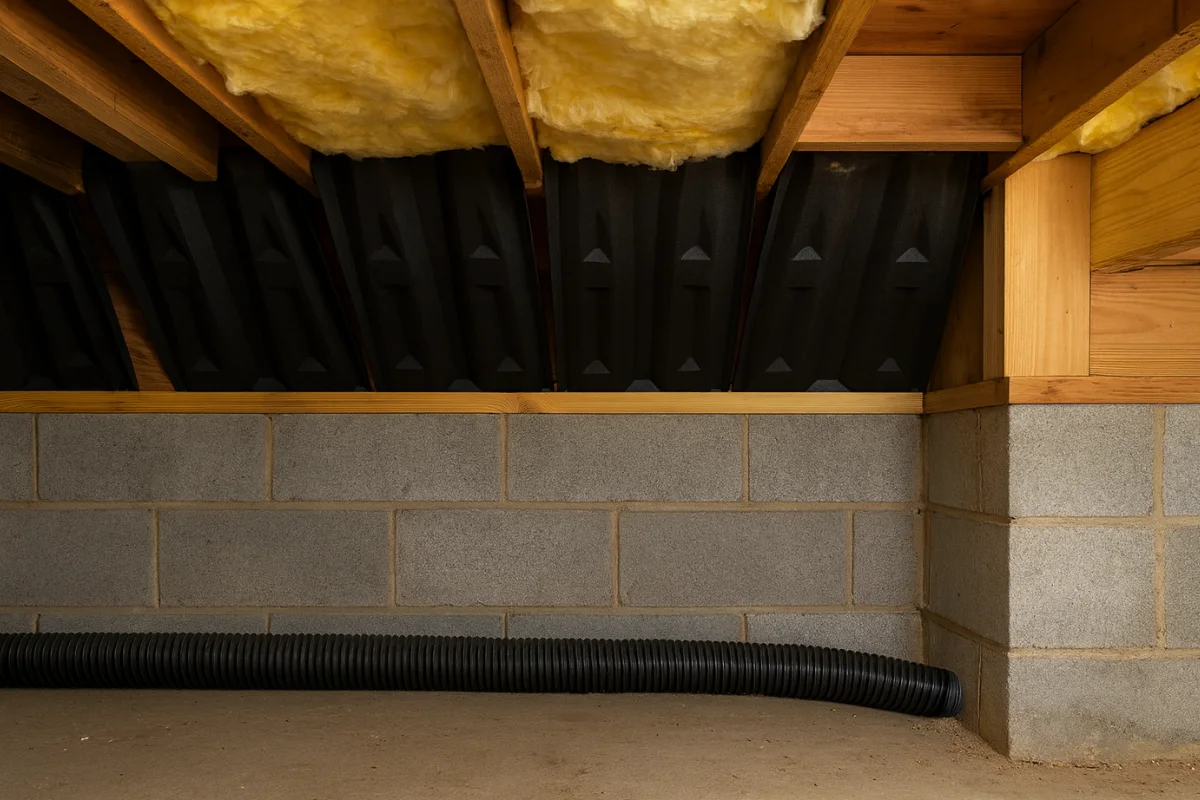
Rigid Foam and Spray Foam Work Best for Baltimore Basement Walls
Rowhouse and single-family homeowners in Canton, Fells Point, and Hampden need insulation that fights moisture. Rigid foam boards give R-10 to R-15 protection. They stick right to concrete walls and block cold air. Closed-cell spray foam fills cracks and stops humidity from getting through your foundation.
Baltimore’s freeze-thaw cycles make foundations move during the year. Our winters can drop to 20°F, then jump to 50°F a few days later. Rigid insulation bends without breaking during these temperature swings. Both materials handle the weather changes that come with living near the Chesapeake Bay and Patapsco River.
Get Your Estimate
Enter your information below
process
Basement Insulation Installation Starts with Moisture Control and Air Sealing
Rowhomes built before 1950 often have wet basements that need drainage fixes first. Many homes along North Avenue and in East Baltimore deal with water issues. Sealing rim joists and sill plates stops drafts from getting into your living space. A vapor barrier keeps moisture away from fiberglass batts if you pick that material.
High water tables in South Baltimore and near Curtis Bay need sump pumps before insulation. We look for active leaks during site visits to protect your new insulation. Common basement problems in Baltimore include poor drainage and water getting in, especially in neighborhoods like Federal Hill and Fells Point. Fixing water issues first saves you money and stops mold from growing later.
Maryland Building Code Sets R-Value Minimums for Basement Insulation
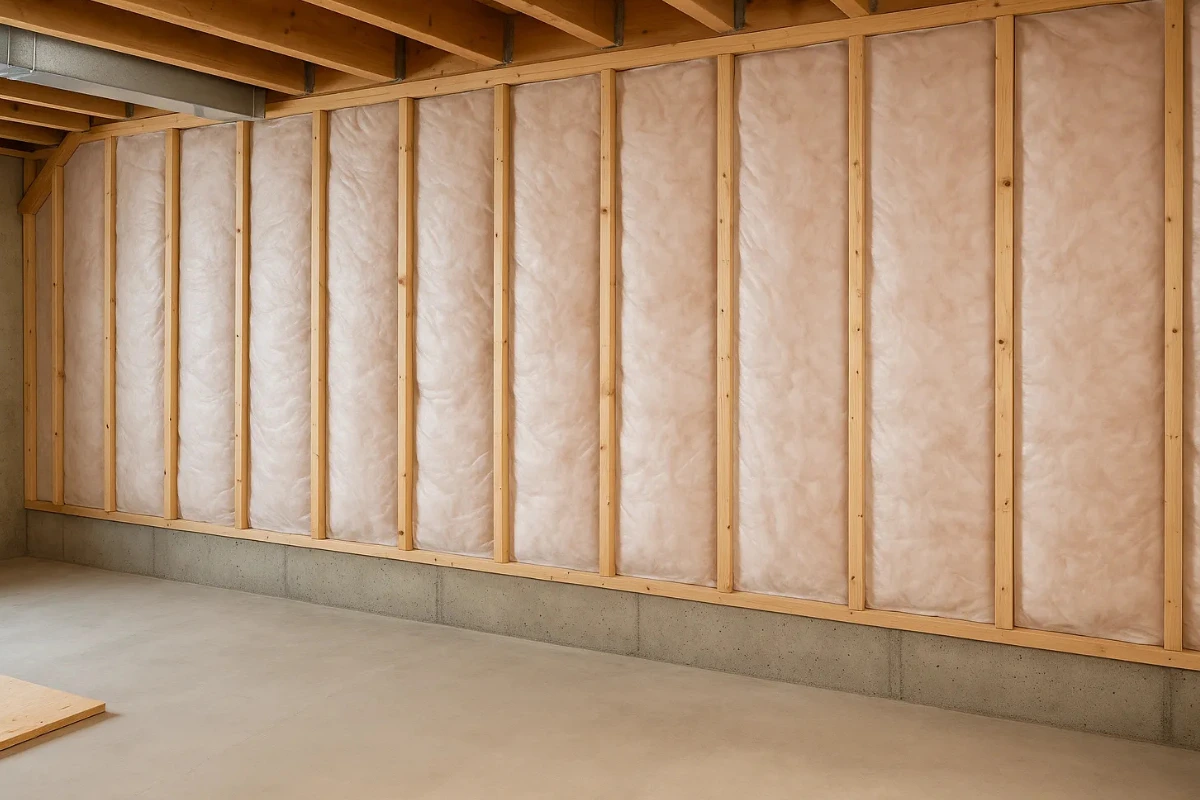
Homeowners getting permits in Baltimore City or Baltimore County must meet state energy rules. Maryland needs R-10 continuous insulation or R-13 cavity fill for basement walls. City and county inspectors check R-values during final walkthroughs to make sure your project meets code.
Baltimore County has stricter fire-rated covering rules than the city. County homes in Towson, Dundalk, and Catonsville face different requirements. We get permits to avoid code problems and keep your project on time. Working with an experienced insulation contractor in Baltimore makes sure your project follows these rules and protects your home value.
Proper Basement Insulation Cuts Humidity and Prevents Mold Growth
Families in Federal Hill and Mount Vernon want dry basements for storage or living space. Our summers along the harbor bring heavy humidity that makes basements feel damp. Insulation raises wall temperature above the dew point. This stops water drops on concrete surfaces. It prevents mold growth and keeps your basement air healthy.
Baltimore summers bring 70-80% humidity to homes across the city. From Patterson Park to Hampden, closed-cell spray foam blocks moisture better than fiberglass in hot months. You’ll notice the change when storing boxes or finishing your lower level.
insulation
Uninsulated Basement Walls Raise Heating Bills and Allow Drafts
Older Baltimore rowhomes lose 20-30% of heat through basement walls and rim joists. Many homes in Pigtown, Highlandtown, and Remington have this problem. Insulation keeps warm air inside during winter. This lowers your BGE gas and electric bills within one season. Adding basement insulation with attic insulation creates a complete seal for the biggest savings.
Baltimore’s winter lows hit 20-30°F each year. When nor’easters blow through, basements without insulation let cold air rise into first-floor rooms through floor gaps. Sealing and insulating your basement stops this heat loss and makes your whole home more comfortable during those cold snaps.
ATTIC TYPES
What is the best way to install basement insulation in Baltimore?
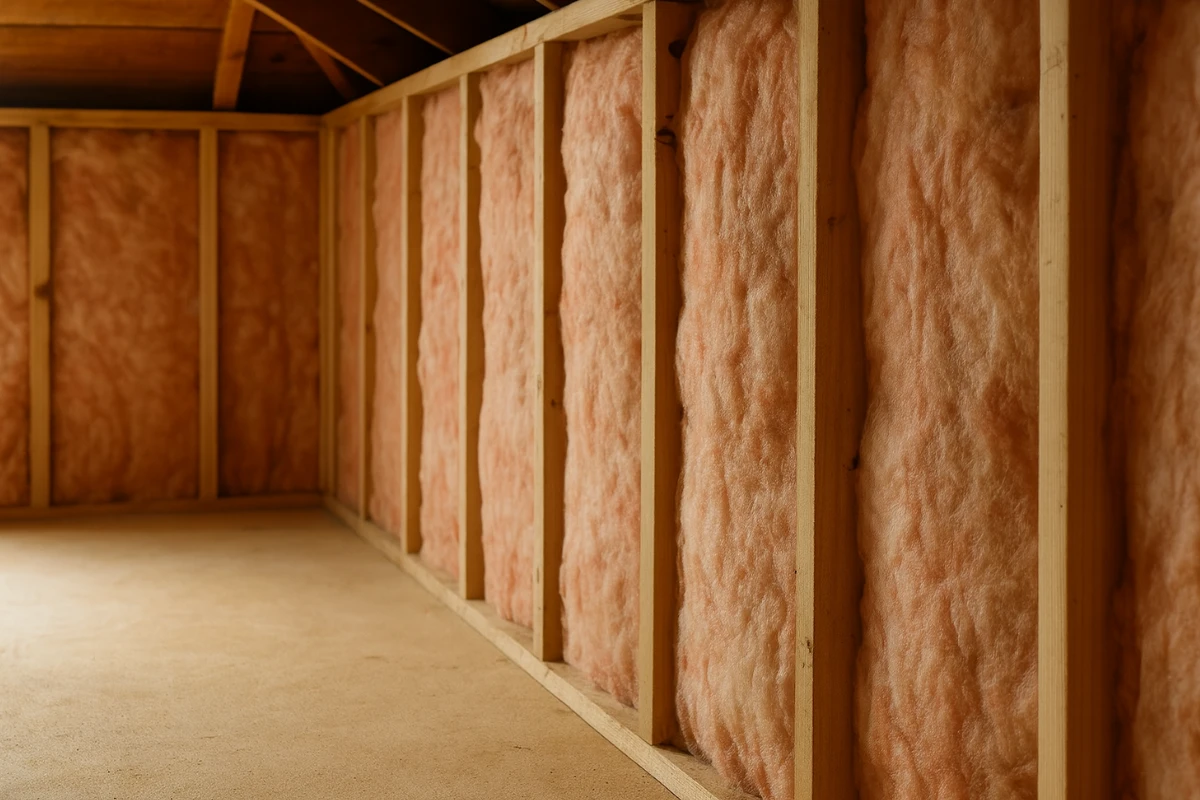
Installing basement insulation in Baltimore takes seven steps for results that last:
- 1. Check foundation walls for cracks and moisture in Baltimore basements.
- 2. Seal gaps around rim joists and sill plates.
- 3. Put in vapor barrier if using fiberglass batts.
- 4. Apply rigid foam board right to concrete walls (R-10 minimum in Maryland).
- 5. Hold boards in place with glue or fasteners.
- 6. Fill seams with spray foam or tape.
- 7. Add drywall or fire-rated covering per Maryland code.
Get Your Estimate
Enter your information below
- Done Right
- Done Legit
- Maximum Savings
- Done Right
- Done Legit
- Maximum Savings
faq
FAQs
About Insulation & HVAC Services in
Baltimore
1. How much does basement insulation cost in Baltimore?
2. Do I need a permit to insulate my basement in Baltimore?
3. What R-value does Maryland require for basement walls?
4. Will insulating my Baltimore basement stop moisture problems?
5. Can I insulate a Baltimore basement myself?
DIY is possible with batts or rigid foam if you have experience. Spray foam needs a licensed insulation contractor for safe use and code compliance. We’re familiar with Baltimore’s unique rowhome construction and older home challenges. We handle all material types and permit needs for you.
6. How long does basement insulation installation take in Baltimore?
service areas
Your Local Insulation & HVAC Experts in Baltimore
Serving homeowners across Baltimore, BGE, PEPCO & DELMARVA territories since 2006 with honest energy solutions.
Ready to Lower Your Energy Bills?
- Done Right
- Done Legit
- Maximum Savings
- Done Right
- Done Legit
- Maximum Savings